
Ripstop or twill work trousers for your job
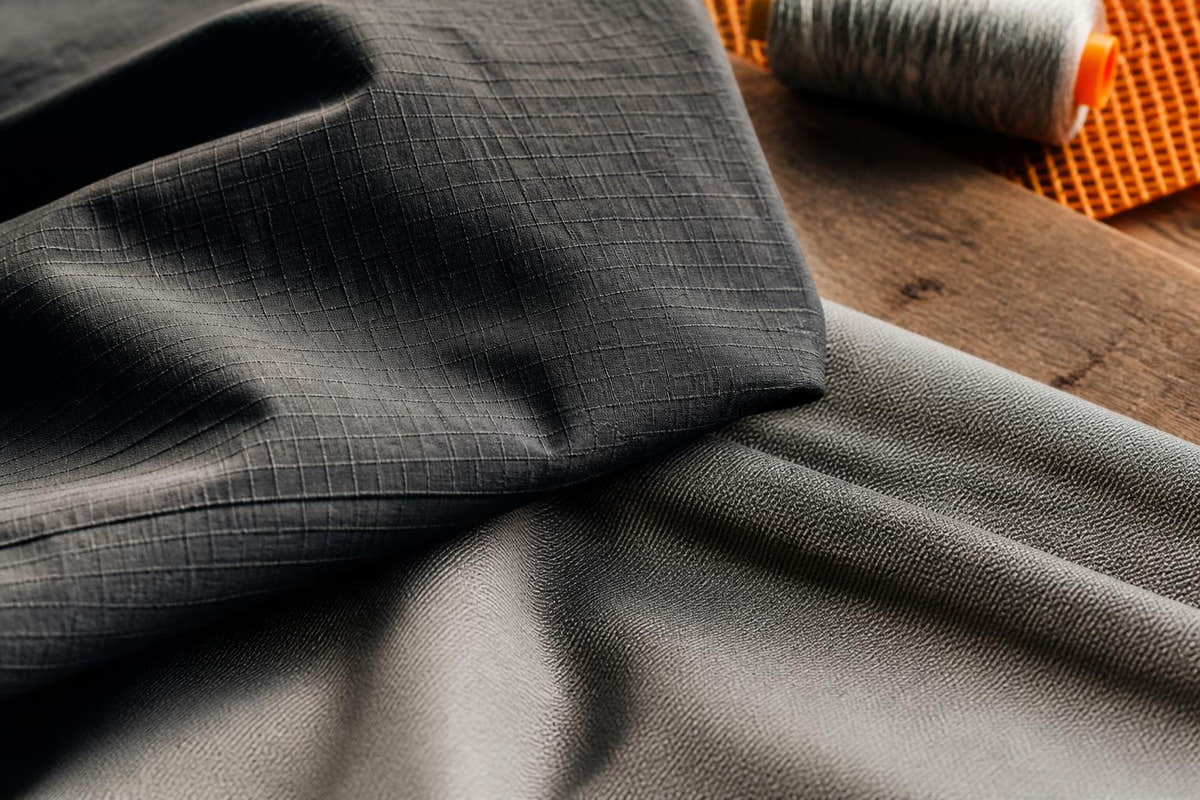
If you are choosing between ripstop and twill work trousers, the short answer is this. Ripstop often suits jobs where trousers catch, scrape or need to feel lighter and easier in movement. Twill often suits everyday trade wear where comfort, drape and a more traditional hard-wearing feel matter more. Neither word, on its own, tells you which pair will last longer in every job.
That is the part many product listings blur. Ripstop and twill describe the fabric structure, not the whole trouser. Fibre mix, fabric weight, stretch content, reinforcements, knee pad design, pocket layout and care all matter just as much. If you are comparing ripstop vs twill work trousers for a specific trade, it helps to know exactly what the weave term does, and what it does not.
What ripstop and twill actually mean
Ripstop and twill are weave descriptions. They refer to how yarns are arranged in the fabric, not to a brand style or a guarantee of performance.
Ripstop is commonly defined by textile and manufacturer references as a woven fabric that uses a reinforcing pattern at regular intervals. In practical terms, you can usually see a small grid or crosshatch running through the cloth. Those slightly thicker reinforcement yarns are built into the weave in both directions. That visible grid is the easiest way to recognise ripstop on a product photo or in hand.
Twill is a different weave structure. Instead of a grid, twill is woven to create a diagonal line or wale across the fabric surface. If you look closely at many classic work trousers, chinos or denim-style fabrics, you will often see that diagonal pattern. It is one of the most familiar workwear weaves because it gives fabric a stable, substantial feel and a natural drape.
So the visual difference is usually straightforward.
Ripstop:
- small square or rectangular reinforcement pattern
- more technical, grid-like appearance
- often used where tearing from snags is a concern
Twill:
- diagonal surface line
- smoother, more traditional workwear look
- often used for everyday trade trousers and heavier-duty general wear
That does not mean every ripstop fabric looks identical, or every twill feels the same. The yarn size, fibre blend and finish can make two ripstop fabrics feel very different from one another, and the same goes for twill.
For a buyer, the key point is that the weave term tells you about construction pattern. It does not tell you the whole story about comfort, weight or lifespan without the rest of the specification.
What the weave changes and what it does not
This is where buyers can overread the label. Seeing ripstop or twill on a product page is useful, but it is only one line of the spec.
The weave changes the fabric’s structure and surface behaviour. It can affect how the cloth feels in movement, how it hangs, how it responds to snagging, and how visible wear shows on the surface. A ripstop fabric often looks more technical and can feel lighter or crisper, especially in lighter weights. A twill fabric often feels smoother, hangs more softly and gives that familiar work trouser shape many tradespeople prefer.
What the weave does not tell you on its own is:
- Fibre content
- Fabric weight
- Stretch level
- Water or stain finish
- Reinforcement placement
- Product-level durability
Fibre content matters because cotton, polyester and blended fabrics all behave differently. A polycotton twill can feel and wear very differently from a cotton-rich twill. A ripstop made from a polyester-rich blend can behave differently from a cotton ripstop. If you want easier care and faster drying, the fibre mix may matter more than the weave.
Fabric weight matters because a lighter ripstop trouser and a heavy twill trouser are not direct like-for-like options. Product pages may list fabric weight in gsm, grams per square metre. If they do, use it. A heavier gsm often means a denser, more substantial fabric, but it still does not automatically mean better in every job. Heavier can mean warmer, stiffer or slower to dry.
Stretch is separate again. Some work trousers have elastane in the main fabric. Others rely on stretch panels at the seat, crotch or knees. You can find stretch ripstop and non-stretch ripstop. You can find stretch twill and non-stretch twill. If kneeling, climbing and stepping up all day are part of the job, stretch specification may affect comfort more than the weave name.
Finishes also sit outside the weave itself. A fabric may be brushed, peached, coated, water-repellent or treated to resist soil. Those properties come from finishing processes or coatings, not simply from being ripstop or twill.
Then there is overall trouser durability. We do not reduce that to one weave term, because that would be misleading. Durability depends on the whole garment design, including:
- stress-point stitching
- reinforcement at knees and hems
- quality of zips and fastenings
- the cut around the seat and thigh
- whether tool load is hanging from holster pockets
- washing and drying routine
That is why the better way to compare ripstop vs twill work trousers is not to ask which is stronger in the abstract. Ask which fabric structure, weight and trouser design suit the way you actually work.
When ripstop work trousers make more sense
Ripstop work trousers can be a practical choice when the job involves frequent movement, repeated snag risk or a preference for a lighter-feel trouser.
One common use case is work around rough surfaces, framing, landscaping materials, timber, fencing, cabling routes or cluttered site areas where fabric can catch. Ripstop is designed with reinforcement yarns built into the weave, so it is often chosen for jobs where a small snag should not become the whole story of the day. That does not make every ripstop trouser indestructible, and it is not a substitute for proper PPE where the task requires it, but it can be a sensible fabric type for snag-prone working conditions.
Ripstop can also suit workers who move constantly between kneeling, climbing, crouching and walking. Many ripstop trousers are built with a lighter, more agile feel than traditional heavier twill pairs. If you are in and out of a van, up steps, around plots or across large sites, that lower-bulk feel can be a real advantage.
Warm weather is another reason some buyers lean towards ripstop. Not because ripstop itself means cool, but because many ripstop work trousers are made in lighter weights and more technical blends. If you want trousers that feel less heavy through spring and summer, ripstop models are often where that option appears.
Ripstop also tends to appeal if you prefer a more modern workwear look. The visible grid texture gives a more technical appearance than classic twill. Some tradespeople like that cleaner, lighter site trouser style, especially when pairing it with a zip layer, a lightweight bodywarmer for changing site temperatures, or other modern layering pieces.
Where we would usually point buyers towards ripstop:
- mobile site work with lots of bending and climbing
- snag-prone environments
- lighter-feel trousers for warmer months
- buyers who prefer a technical fabric appearance
- trousers designed with stretch panels and active fit cuts
The important caveat is simple. Do not assume ripstop always means lightweight, and do not assume every ripstop pair is better for hard use than every twill pair. Check the actual garment specification on the product page.
When twill work trousers are the better buy
Twill work trousers remain the default choice for plenty of trades because they feel familiar, balanced and dependable for day-to-day wear.
If your job involves general building, maintenance, workshop use, decorating, installation or routine trade work without unusual snag hazards, twill is often the better buy. It tends to give a comfortable drape and a solid feel that many people simply get on with from day one. Where ripstop can sometimes feel a bit crisper, twill often feels more natural and broken-in over time.
Twill also suits buyers who want a traditional work trouser look. If your team needs a consistent, straightforward uniform appearance across several roles, twill usually fits that brief well. It looks less technical and often sits better in classic cargo and trade trouser designs.
For abrasion-focused tasks, twill can be a strong option, especially where the fabric is heavier and the garment is well reinforced. If you spend more time rubbing against surfaces, kneeling on floors, carrying tools in side pockets or working in a workshop rather than moving through snag-prone outdoor areas, a substantial twill trouser often makes good sense.
Comfort is another reason twill stays popular. The weave naturally gives a fabric that can drape well and feel less rigid. That matters if you are wearing the same pair all day, five or six days a week. Some buyers are not looking for a technical site trouser. They want something that feels like proper work trousers, washes well, and does not need much thinking about.
Twill is often the better route when you want:
- everyday trade trousers for regular weekly wear
- a more traditional workwear look and feel
- comfortable drape rather than a crisp technical hand feel
- heavier fabric options
- straightforward uniform buying for a team
That can be especially true if the rest of the garment spec is right, such as practical pocket layout, knee pad access, and the correct work trouser fit for your build and trade.
In short, twill remains popular for good reasons. It is not old-fashioned by default, and ripstop is not automatically the upgrade. They simply suit different priorities.
How to compare two pairs on a product page
When you are comparing two pairs online, do not stop at the weave name. Use a short checklist and you will usually get to the better decision quickly.
Start with fabric composition. Look for the percentage split, such as cotton, polyester and elastane. That tells you more about softness, drying time, crease resistance and stretch than the weave term alone.
Then check fabric weight, if stated. Gsm is one of the most useful numbers on a workwear product page. A lower gsm often suggests a lighter trouser. A higher gsm often suggests a more substantial one. It is not a pass-fail test, but it helps you avoid comparing a light summer ripstop with a much heavier twill as if they were meant for the same use.
Next, look for stretch. There are three common possibilities:
- no stretch in the fabric
- stretch blended into the main cloth
- stretch panels placed in movement zones
If your day involves kneeling, climbing, driving and lifting, that detail may affect comfort more than whether the base fabric is ripstop or twill.
After that, look at reinforcement. Product pages should make clear whether there are reinforced knees, hem guards, crotch panels or high-wear overlays. Those features often matter more to service life than the weave label.
Pocket design comes next. Check whether the trousers have cargo pockets, ruler pockets, phone pockets and holster pockets. If you carry tools on-body all day, pocket layout is not a minor feature. It changes how the trousers sit, how much strain the seams take and whether the pair actually works for your trade.
Knee pad compatibility is another practical check. If you need knee protection, look for dedicated knee pad pockets and whether loading is from the top or bottom. In the UK, if knee protection is part of the job requirement, make sure you are matching the trouser design with the correct compatible insert and the right PPE approach for the task. Do not assume a pocket alone means certified protection.
Sizing details matter more than many buyers expect. Check waist, fit description and inside leg options carefully. A trouser that is too long drags, wears at the hem and catches underfoot. A pair that is too tight across the thigh or seat can fail early under strain. If you need help narrowing fit before you choose, our guide to choosing the right waist size in work trousers is a useful place to start.
Finally, read the care instructions. Washing habits affect workwear life. Temperature, tumble drying and heavy detergent use can all change shrinkage, finish and stretch recovery. Before buying, it is worth checking whether the pair needs more careful laundering than your normal weekly routine allows. If that is often the weak point in your workwear lifespan, our guide on washing work trousers without ruining the fit covers the basics.
A quick product-page checklist looks like this:
- weave, ripstop or twill
- fibre composition
- gsm or stated weight
- stretch in fabric or panels
- reinforcement points
- pocket layout, including holster pockets
- knee pad compatibility
- fit and inside leg options
- wash and care instructions
That is the most reliable way to compare ripstop vs twill work trousers in real buying terms. Not by treating one word as the answer, but by reading the whole specification.
If you are browsing current options, start with our full range of work trousers for different trades and site conditions. At 100 Percent Workwear, operated by Fleeta Limited, we keep the focus on practical product detail, because the right pair is the one that suits your job, your movement and your working week.
Is ripstop stronger than twill?
Not automatically. Ripstop and twill describe weave, not a full durability rating. Fibre blend, fabric weight, reinforcement, stitching and the garment design all affect how hard-wearing the trousers are in real use.
Are twill work trousers heavier?
Sometimes, but not by definition. A twill fabric can be light or heavy, and so can ripstop. Check the published fabric weight and composition on the product page rather than assuming from the weave name alone.
Does ripstop mean the trousers are PPE?
No. Ripstop is a fabric construction term, not a PPE certification. If a garment is certified PPE, that should be stated separately with the relevant standard and product information.
Which is better for kneeling and bending all day?
Look beyond the weave. Stretch content, articulated knees, panel layout, fit and knee pad pocket design usually matter more for movement and comfort than whether the base fabric is ripstop or twill.
Can two trousers both be cotton but feel completely different?
Yes. The same fibre content can feel different because of weave, yarn, fabric weight, finishing and garment construction. That is why cotton ripstop and cotton twill should not be treated as interchangeable.