
How to layer workwear for cold starts without bulk
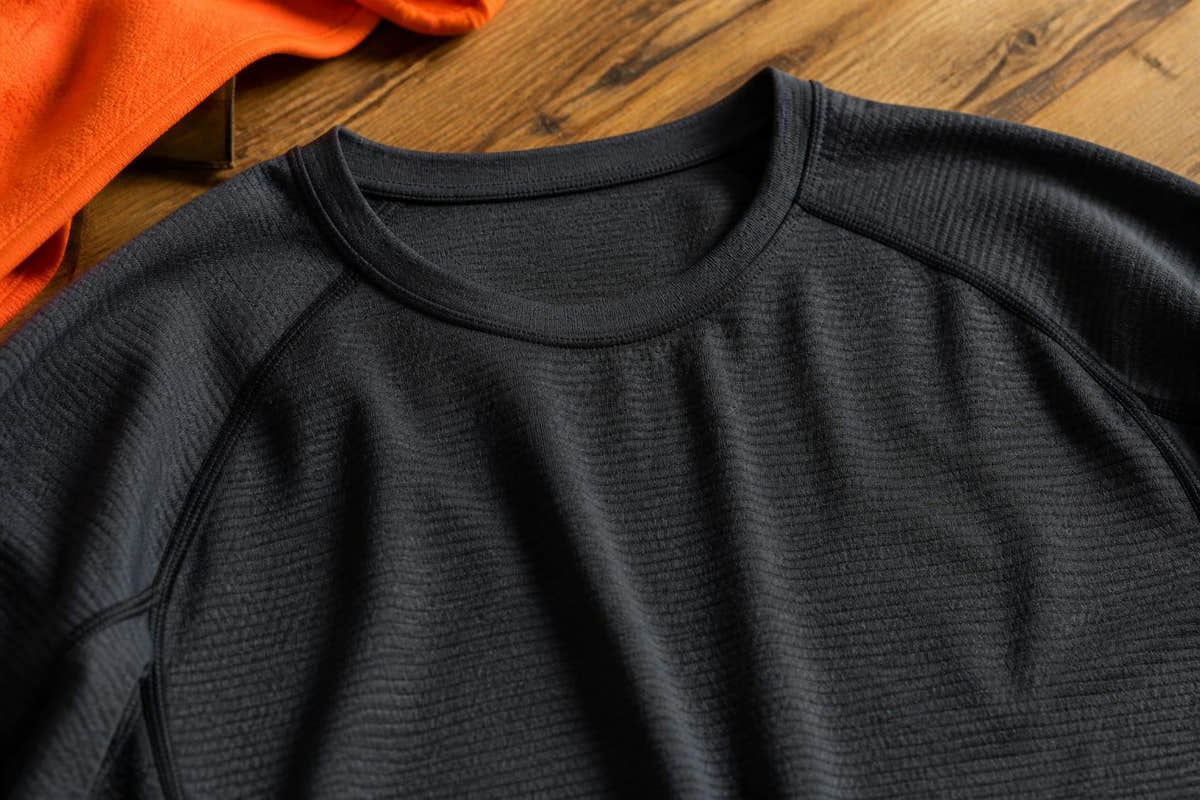
Cold starts catch people out because the first half hour feels very different from the rest of the morning. You leave the van, stand around for access, load out tools, then start moving properly and warm up fast. The answer is not one thick jacket. It is a simple three-part routine that lets you start warm, keep moving freely, and strip back without ending up with spare layers that are awkward to carry.
For most UK trades, layering workwear for cold mornings works best when each piece has a clear job. A close base layer manages comfort next to skin. A mid layer adds warmth without swallowing your movement. An outer layer deals with wind, light rain and whatever the site or customer setting expects. If each layer is cut properly, you avoid the usual problem of feeling wrapped up but still cold at the wrists, lower back or legs.
Build a three-layer routine that works from first job to midday
Think about your routine in phases, not just the forecast. A clothing setup that feels right while standing outside at 7am can become far too much once you are carrying materials, climbing in and out of a vehicle, or working indoors by 10am.
A practical three-layer routine usually looks like this:
First, a base layer top, and if needed base layer bottoms, worn close to the body. This is the layer that should stay on all morning unless conditions change dramatically.
Second, a mid layer that gives you most of your adjustable warmth. This might be a fleece, sweatshirt, hoodie or a bodywarmer, depending on how much arm movement you need and whether you want warmth across the core without extra sleeve bulk.
Third, an outer layer that can go on and off quickly. In ordinary cold, dry or slightly damp conditions, that often means a jacket or softshell style rather than the heaviest coat you own. If your job requires visibility clothing, that outer layer may also need to be hi-vis.
The point is to spread the warmth across layers instead of relying on one bulky item. That matters when activity changes. If you are kneeling, reaching, lifting, driving between jobs and then stepping into a heated building, you need options. A decent layering system lets you remove the outer jacket first, then the mid layer if needed, without losing the comfort of the base layer underneath.
For readers comparing products, start with thermal base layers for cold starts, then match them with work jackets for everyday site use or a lighter outer option that suits your day.
Choose a base layer that stays close without getting in the way
The base layer is where comfort starts, and it is often the part people get wrong. If it is loose, it bunches under the next layer. If it is too tight, it pulls at the shoulders, rides up at the back and becomes annoying before breakfast.
For next-to-skin tops, look first at fit through the shoulders, chest and sleeves. You want a close fit, but not compression unless the garment is specifically designed that way. The fabric should sit near the body so the next layer slides over it easily. A top that twists at the forearm or lifts when you reach overhead will become obvious as soon as you start working.
Fabric feel matters more than people think. Some workers prefer smoother synthetic-feel thermal tops because they dry quickly and slide well under fleeces or sweatshirts. Others want a softer brushed inner feel for the first cold hour of the day. What matters is not the label alone, but whether the published specification describes a fabric and cut that will stay comfortable under movement. We always recommend checking the exact product page rather than assuming all thermal tops behave the same.
For base layer bottoms, focus on waistband comfort, seat room and inside leg. If the rise is wrong or the waistband feels bulky under work trousers, you will notice it every time you bend or crouch. Base layer legs should sit flat inside your trousers, without twisting around the calf or gathering behind the knee. If you wear kneepad trousers, pay attention to whether the extra layer affects knee position or makes the trouser leg feel tighter than normal.
Freedom of movement is the deciding factor. Test for it by mimicking real tasks. Reach forward as if lifting a box from the van floor. Raise both arms as if fixing overhead. Kneel on one knee, then both. Sit as if driving. If the base layer stays put and does not drag against your outer clothing, it is doing its job.
Base layers are ordinary clothing, not a shortcut to claiming extra PPE protection. In the UK, keep that distinction clear. A thermal top may improve comfort in cold conditions, but unless a garment is actually certified and sold for a specific protective standard, treat it as clothing rather than PPE.
Pick a mid layer that adds warmth but still lets you work
The mid layer is the part you will adjust most often, so it needs to match how you actually work. This is where bulk can creep in, especially if you choose a heavy garment just because the morning starts cold.
A fleece is often the easiest option when you want warmth without much weight. It usually sits comfortably under a jacket and comes off easily once you are moving. Fleeces can be a good fit for workers who start outdoors but spend part of the day in a van or indoors, because they are warm enough for the first hour without feeling as heavy as a padded layer.
A sweatshirt gives a more straightforward workwear feel and is often a good middle ground if you want a tidy layer that works on its own indoors later in the day. It can feel less bulky around the neck than a hoodie, which some people prefer under jackets.
A hoodie adds warmth and casual comfort, but the hood itself changes how the whole system fits. Under an outer jacket, a hood can bunch at the back of the neck and make the collar sit awkwardly. For some wearers that is fine, especially on jobs with lots of stop-start movement. For others, it becomes irritating quickly, particularly when driving or looking up repeatedly. If you are considering one, compare the cut and fabric of our work hoodies for flexible mid-layer warmth with the rest of your clothing, not in isolation.
A bodywarmer is the most useful choice when your arms do the work and your core gets cold first. It keeps the chest and back warmer without adding sleeve bulk, which can make a real difference when using tools, climbing ladders or reaching into tight spaces. It also avoids stacking too much fabric at the wrist and elbow. For many tradespeople, that makes a bodywarmer the easiest layer to live in from early morning through to lunch. If that sounds like your routine, look at lightweight and insulated bodywarmers for layering.
The trade-off is simple. More fabric usually means more warmth, but also more bulk and less freedom. The right mid layer is the one that gives enough warmth at the start of the day while still letting you access tools, kneel properly, reach into pockets and work with your normal pace.
If your work trousers have holster pockets, check that the mid layer hem does not constantly catch on them when you bend or twist. That small annoyance becomes a big one over a full week.
Use the outer layer to manage wind, light rain and site demands
The outer layer is there to finish the system, not to do everything on its own. In many everyday conditions, its main jobs are blocking wind, handling light rain and fitting the setting you are working in.
A jacket is the obvious choice when you need a straightforward outer layer that can go on over base and mid layers without fuss. The key is not to size up blindly. If the shoulder seam sits too far out or the sleeves are too long, the jacket becomes clumsy even if it feels warm.
A softshell style often suits workers who move in and out of vehicles or between indoor and outdoor jobs because it can feel less stiff and easier to work in than a heavier coat. That said, do not overstate what a softshell does. Unless the exact garment specification says otherwise, treat it as a practical outer layer for everyday wind and light weather, not as proof of full waterproof protection.
Where visibility requirements apply, hi-vis outerwear needs to fit into the same routine. In the UK, whether you need hi-vis and to what level depends on the task, site rules and risk assessment. That is not identical across all workplaces, and it should not be assumed from generic EU practice. If a site requires certified hi-vis clothing, check the garment standard and class on the product page and make sure the rest of your outfit does not compromise visibility by leaving the compliant layer unfastened or covered. Our hi-vis outer layers and site-ready clothing are there for that part of the job, but the exact specification is what matters.
Keep expectations realistic. An outer layer can make the whole outfit feel warmer by trapping the heat from the layers underneath and reducing wind chill. That does not mean every jacket is suitable for severe weather, and it does not turn ordinary clothing into PPE unless it is specifically certified for a protective purpose.
Test the full outfit before you buy extra layers
The quickest way to waste money is to buy individual garments that seem right on paper but do not work together once worn. Before adding more layers, test a complete outfit as a system.
Start with your usual work trousers. Check the waistband with the base layer tucked and untucked. Sit down, crouch and bend forward. If the waistband digs in once all layers are on, that problem will not improve on site.
Next, check sleeve length across all upper-body layers. A base layer sleeve that stops short can leave a cold gap at the wrist. A mid layer sleeve that bunches badly under the jacket cuff will feel restrictive. The outer sleeve should still allow you to reach forward without pulling halfway up your forearm.
For trousers, confirm the inside leg against the boots and socks you actually wear. A base layer bottom can slightly change how the trouser leg sits, especially in slimmer cuts. If the hem rides up more than usual when kneeling or climbing into the van, review the fit before buying duplicates.
Test access to pockets and tools. Can you still use chest pockets, side pockets and holster pockets without lifting one layer out of the way every time? Does a bodywarmer zip interfere with a jacket zip? Does a hoodie hem sit awkwardly over the trouser waistband?
Then go through real working positions. Kneel to floor level. Climb one or two steps. Reach above shoulder height. Twist as if unloading kit from the side door. Sit as if driving for twenty minutes. A good layered outfit should move with you without exposing your lower back, tightening across the shoulders or dragging at the knees.
This matters for small business buyers as much as individual tradespeople. If you are kitting out a team, compare garment measurements and size charts carefully and verify current stock before ordering. At 100 Percent Workwear, which is operated by Fleeta Limited, we always advise checking the exact published sizing, fabric composition, care instructions and stock position on each product page before you commit, especially if you are trying to standardise clothing across different roles.
Adjust layers through the morning without ending up too hot or too cold
A good setup is only half the job. The other half is changing it at the right time. Many people stay too cold early on because they underdress for the start, or too hot by mid-morning because they leave everything on too long.
The easiest rule is to remove layers in the reverse order you added them. If you warm up after unloading and setting up, open or remove the outer jacket first. That often gives enough relief without losing too much warmth. If you are still overheating, swap the mid layer next. The base layer should usually stay on as your stable layer.
Think about transitions between jobs. If you are driving to the next call, you may be better taking off the outer layer before getting in the van rather than sweating into it on the journey. Putting on a cold, damp jacket again is never pleasant, and it makes the next stop feel colder than it should.
For stop-start outdoor work, a bodywarmer can be the most useful swap because it keeps your core covered while reducing the heat build-up in the arms. For indoor jobs after an outdoor start, moving from jacket plus fleece to just a sweatshirt or base layer may be enough.
Keep spare layers practical. One compact extra layer in the van is useful. Three random backups usually just become clutter. If you carry a change, choose the item most likely to solve the problem you actually face, whether that is a dry mid layer, extra thermal top, or a hi-vis outer layer for a specific site.
Also think about the small details. Wet cuffs, a twisted base layer, or a waistband that has ridden down can make you feel colder even when the outfit is technically warm enough. A quick reset after the first job often works better than adding another garment.
The aim with layering workwear for cold mornings is not to wear more. It is to wear the right combination, in the right order, and change it as the day changes. Start close to the skin, add usable warmth in the middle, finish with an outer layer that suits the weather and the site, then test the whole outfit in the positions you actually work in. That is how you stay warm without feeling padded out before the day has properly begun.
What is the best order for layering workwear on cold mornings?
Start with a close base layer, add one insulating mid layer, then finish with an outer layer suited to the weather and the job. That order is easier to adjust as the day warms up.
Should a base layer be tight?
It should sit close to the body without digging in, riding up or limiting reach. If it twists under your work trousers or bunches at the sleeves, the fit is not right.
Is a bodywarmer better than a jacket for active work?
Often, yes, if you need core warmth but do not want extra bulk through the arms. It can also make reaching, lifting and driving easier than a heavier jacket.
How do I stop layered workwear feeling bulky?
Use one close base layer, one practical mid layer and an outer layer with enough room to move. Avoid stacking several thick tops that fight each other at the shoulders and waist.
Can ordinary layered clothing replace PPE?
No. Ordinary clothing layers and certified PPE do different jobs. Check site rules, the manufacturer information and current HSE guidance before treating any garment as protective equipment.