
How to choose S3 safety boots for UK site work
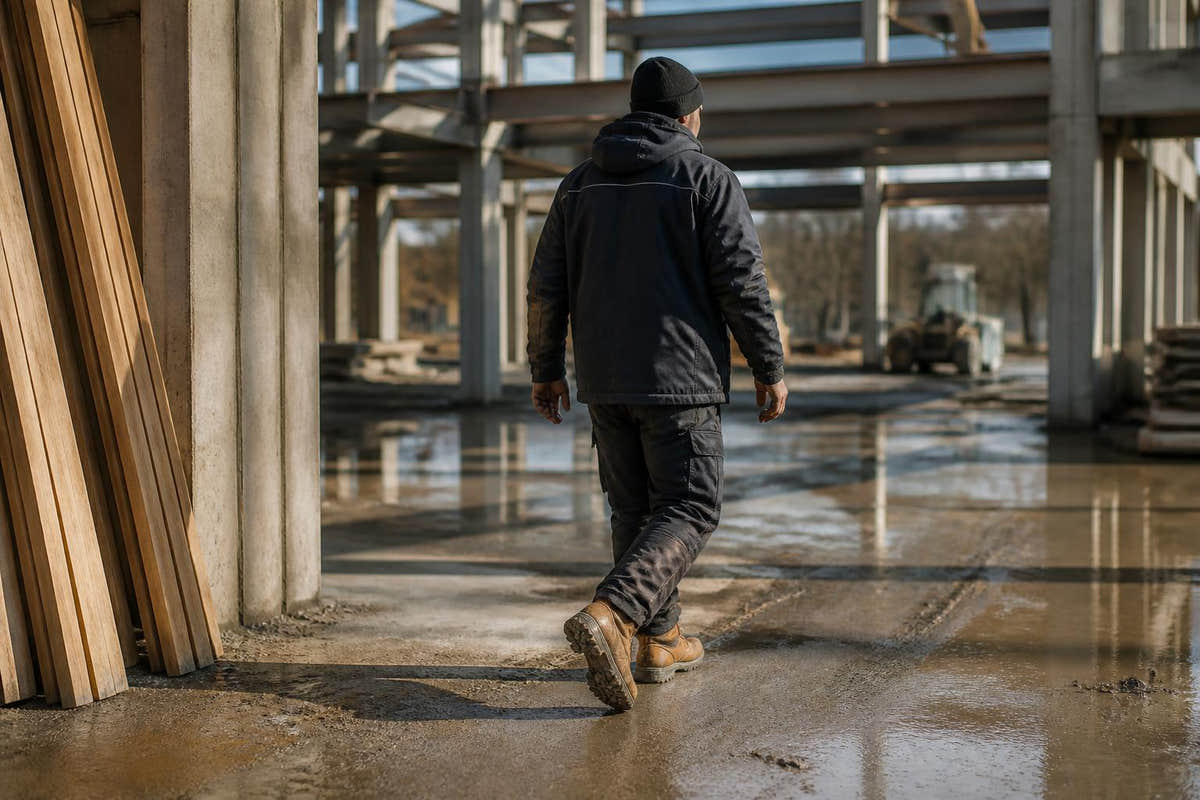
Choosing S3 safety boots for UK site work comes down to matching the rating to the job, then checking the published specification instead of buying on appearance alone. For many construction, groundwork, utilities and general trade environments, S3 is the practical starting point because it commonly combines toe protection, underfoot penetration resistance, a cleated outsole and water resistant uppers. That makes it suitable for mixed indoor and outdoor work where surfaces, weather and debris change through the day.
The important point is that S3 is not a shortcut for “right for every site”. Boots with the same headline rating can differ a lot in grip, weight, ankle support, waterproofing, fastening and fit. In the UK, we also need to separate the safety classification from the employer’s site rules and risk assessment. If you are buying for yourself or a team, use the rating as the first filter, then compare the exact live product specification and confirm anything unclear before you enquire. At 100 Percent Workwear, our safety boots are enquiry-only, so it is worth checking the current product page details, sizing and availability before making a decision.
What S3 safety boots actually mean in the UK
In practical UK use, S3 usually means a safety boot designed for tougher working conditions where you need more than basic toe protection. Under the established European style classification system still widely used in the UK market, S3 commonly builds on the lower categories and includes these core features:
- a protective toecap
- antistatic properties
- energy absorption in the heel
- resistance to fuel oil
- a closed seat region
- underfoot penetration resistance
- water resistant upper material
- a cleated outsole for grip on uneven ground
That is why S3 boots are so often chosen for site work. They are built for environments where nails, offcuts, uneven sub-base, wet ground, ladders, mud and changing weather are all realistic parts of the day.
However, the label on its own is not enough. Standards and product markings can be updated, and manufacturers may add extra protections that matter just as much as the S3 classification itself. On a current product page, look for the exact standard reference, any slip rating shown, whether the toecap is steel or composite, whether the midsole is steel or non-metallic, and any extra markings for heat resistance, cold insulation, waterproof membranes or ladder grip.
This matters in the UK because many buyers still see a boot described simply as “S3” and assume all S3 boots perform the same way. They do not. One pair may be better for wet civils and another better for warehouse to van to site movement where lighter weight matters more. Also remember that a safety rating is not the same as full waterproofing. S3 commonly indicates water resistant uppers, not that the whole boot is guaranteed waterproof in prolonged standing water. If your work regularly means soaked ground, heavy rain or kneeling in wet areas, compare the waterproof construction in detail. Our guide to water resistance, grip and fit in waterproof work boots is useful for that step.
Where UK practice differs from the EU more generally, the key point for buyers is not that the boot works differently, but that your actual requirement on site is often set by a UK employer’s risk assessment, principal contractor rules and PPE policy. So even when a boot carries a familiar European style rating, you still need to check whether a specific site calls for extra features such as non-metallic components, higher ankle support or a particular slip standard.
When S3 boots are the right choice for site work
S3 boots are usually the right choice when the job involves a mix of impact risk, puncture risk, wet ground and rough surfaces. Common UK examples include:
- general construction sites
- housebuilding
- groundwork and drainage
- landscaping
- fencing
- highways and utilities work
- site maintenance
- roofing support work at ground level
- agricultural yard tasks with construction-style hazards
They also suit many trades who move between unfinished external areas and part-complete internals, such as electricians, plumbers, fitters and multi-trade contractors. If you are stepping through mud in the morning, carrying materials across hardcore at midday and finishing in a damp first-fix area, S3 is often the sensible middle ground.
They are especially useful where underfoot puncture protection is not optional. On active sites, screws, nails, clipped ties, metal swarf and broken fixings are common. The penetration resistant midsole is one of the main reasons people move up from lighter safety trainers to boots.
That said, S3 is not always the best answer.
For dry indoor work with lower water exposure and lots of walking on smoother floors, a lighter safety trainer or lower category shoe may be more comfortable and more than adequate, provided it still meets the site requirement. For food production, hygiene-controlled environments or specialist electrical settings, a different type of footwear may be more appropriate. For foundry work, welding or areas with significant molten material or high radiant heat, you may need specialist heat resistant footwear beyond a standard S3 build.
Equally, if your work is mostly driving with short site visits, a heavy high-cut boot can become tiring if the spec is more than you need. The right question is not “What is the highest rating available?” but “What hazards do we actually need to control across the full shift?”
For small business buyers, this is where a simple task-based check helps:
- What can fall onto the foot?
- What can go through the sole?
- How often are the boots in wet conditions?
- Are workers climbing ladders, kneeling, driving or walking long distances?
- Is metal-free footwear required for security or electrical reasons?
- Are there site-specific PPE rules beyond the basic standard?
If the answer includes regular puncture risk, outdoor exposure and rough ground, S3 safety boots in the UK are often the correct category to shortlist first.
How to compare S3 boots without guessing
The cleanest way to compare boots is to ignore marketing language and line up the published specifications side by side. Start with the outsole, because grip and sole design affect safety and fatigue every day.
Check the tread pattern. Deep, open lugs generally clear mud better than flatter patterns, which can clog on wet ground. Look for slip test information if it is published, but read it carefully. A slip rating tells you the boot has been tested in defined conditions, not that it will grip every contaminated surface. If much of the day is on scaffold boards, wet paving, steel thresholds or dusty smooth concrete, sole compound and tread layout matter as much as the headline rating.
Next, look at the upper material. Full grain leather, nubuck, coated leather and synthetic combinations all behave differently. Leather often gives a good balance of durability, structure and weather resistance for site work. Synthetic-heavy uppers can save weight and dry faster, but may not wear the same way under repeated abrasion. If kneeling and scraping against blockwork, kerbs or concrete is routine, check for scuff caps, reinforced toe bumpers and abrasion panels.
Waterproofing needs careful reading. Some boots use water resistant treated uppers only. Others add a waterproof membrane or more sealed construction. If you regularly work in prolonged rain, wet grass, standing water or washdown conditions, do not assume S3 alone gives enough protection. Compare exactly what the manufacturer says about water ingress resistance and care requirements.
Weight is another published detail worth taking seriously. A heavier boot may feel solid in hand but more tiring by hour ten. If you cover a lot of ground, climb stairs or move between van, site and customer property all day, lower weight can make a real difference. On the other hand, very lightweight boots can trade away some support or durability. The right balance depends on the job.
Ankle support matters most for uneven terrain, repeated ladder use and carrying loads. A higher cut boot with firmer heel structure will usually offer more support than a low-cut style, but it should not pinch or rub. If the spec mentions padded collars, heel counters or stability shanks, compare those features directly.
For midsole protection, check whether the penetration resistant layer is steel or non-metallic. Steel midsoles are familiar and robust. Non-metallic midsoles can be lighter and more flexible, and they avoid metal detection issues on some sites. The same applies to toecaps. Steel is often slimmer internally for a given protection level, while composite can reduce weight and avoid conducting cold as much. Neither is automatically better. Match the material to the work and wearer preference.
Finally, check the fastening system. Standard laces are simple and easy to replace. Speed hooks can make on and off easier. Side zips can save time but add another component that can fail or let in water if the design is poor. Quick fastening systems can be convenient, but only if replacement parts are available and the mechanism is tough enough for site grit and mud.
If you are comparing boots alongside the rest of your kit, it also helps to think in full-shift terms. Wet feet and cold lower legs often go together, so the right thermal base layers for cold site work or a practical hi-vis workwear layer for poor weather and visibility can make the boots perform better in real use.
Getting the fit right for long shifts
A good spec on paper is wasted if the fit is wrong. For long shifts, the best boot is the one that stays secure without pressure points, gives enough toe room and still feels stable when you are tired.
Start with sizing, but do not assume your casual trainer size is correct. Safety boots often fit differently because of the toecap shape, lining and insole build. Always check the manufacturer’s live size guidance if it is published. If a product is described as generous, narrow or standard fit, take that seriously.
Width is as important as length. Many fit problems that people call “too small” are actually width or instep issues. If the forefoot feels squeezed, the little toe rubs, or the boot presses across the top of the foot, going longer may only create heel slip without solving the real problem. For tradespeople with broad feet, a roomier last shape is often more important than half a size up.
Toe room should allow your toes to move without touching the front when walking downhill or descending steps. You should not feel the toecap pressing on the nails. At the same time, too much empty space can make the foot slide forward and increase rubbing.
Heel hold is the other key test. Lace the boot properly and walk, climb a step and crouch. A slight movement at the heel can be normal in a new boot, but obvious lift usually leads to friction and blisters. A secure heel and midfoot let the forefoot flex naturally.
Sock choice makes a real difference. Thin everyday socks can leave too much room and increase rubbing. Very bulky socks can create pressure points and throw off the fit. For site work, use work socks that match the season and the boot volume. If you wear thermal socks in winter, fit the boots with those socks in mind from the start.
Think about how you actually work. Someone standing at a bench all day may prioritise cushioning. Someone walking plots or climbing ladders may care more about support and heel lockdown. Someone driving for long periods may notice a stiff sole more than a groundworker would. Try to judge comfort across your real tasks, not just a quick try-on while standing still.
If you wear work trousers over the boot, check the lower leg opening as well. Trousers with the right inside leg and practical site features such as holster pockets can sit better over bulkier boots and make the whole kit easier to wear through the day.
Care, replacement and buying checks before you enquire
S3 boots last longer and perform better when they are cleaned and dried properly. Brush off mud before it hardens, clear debris from the outsole tread, and dry boots at room temperature rather than against direct heat. Putting soaked boots next to a heater can harden leather, damage adhesives and shorten the life of waterproof components. If the upper is leather, use the care product recommended for that material and keep it conditioned so it does not crack.
Rotate pairs if the job is consistently wet. Giving boots a full day to dry between wears helps the lining, insole and upper recover. Replace insoles when they are flattened or damaged, because worn insoles affect fit as well as comfort.
Know the signs that a boot should be replaced. The obvious ones are:
- split or deeply cracked uppers
- worn tread that has lost grip
- a sole separating from the upper
- damaged fastenings that no longer secure properly
- a crushed or exposed toecap area
- persistent water ingress where the boot was previously keeping out moisture
- a penetration resistant sole that may have been compromised after a serious puncture incident
Less obvious is when the boot simply stops supporting the foot properly. If the heel counter has collapsed, the boot twists too easily, or the cushioning has packed down to the point where fatigue and foot pain become routine, it is usually time to replace rather than keep patching.
Before you enquire with us, check the live product page carefully. Because safety boots at 100 Percent Workwear are currently enquiry-only, not online checkout items, it is worth confirming:
- the exact current model name
- available sizes
- whether the fit is standard or wide
- upper material
- toe cap material
- midsole protection type
- waterproof or water resistant construction
- fastening type
- any slip or additional safety markings shown
- current availability and lead time
- our latest returns or exchange position for that item
If you are buying for a team under Fleeta Limited, gather the practical details before you contact us. The more specific the brief, the easier it is to narrow down the right options. Useful information includes the trade, main hazards, whether the work is indoors or outdoors, any need for non-metallic footwear, expected weather exposure, and whether workers spend more time walking, driving or climbing.
It also helps to look at the rest of the work kit at the same time. A boot chosen for winter site work makes more sense when considered alongside a weather-ready work jacket for outdoor shifts, the right socks and the rest of your PPE.
The best S3 boot for UK site work is the one that meets the actual site requirement, suits the working conditions and fits properly for a full day on your feet. Start with the safety classification, then verify the exact construction, support, grip and fit from the live specification. If anything on the page is unclear, ask before you commit. That is the quickest way to avoid buying a boot that looks right in a product photo but is wrong for the job.
Are S3 safety boots waterproof?
Not automatically in the everyday sense. S3 commonly includes water-resistant uppers, but the exact level of water protection depends on the specific boot and published test standard.
Do I need S3 boots for every building site job?
No. The right footwear depends on the hazards on your site, the task and your employer’s PPE requirements. Check the workplace risk assessment and current HSE guidance.
What is the difference between S1P and S3 safety boots?
In simple terms, S3 usually adds water-resistant upper performance to the protective features commonly associated with S1P. Always confirm the exact certified standard on the product.
How should safety boots fit?
They should feel secure at the heel, allow toe room, and stay comfortable with your usual work socks. A safety rating cannot make up for a poor fit on a long shift.
Can I buy safety boots online from 100 Percent Workwear?
Safety boots are currently enquiry-only. Check the live published product details first, then contact 100 Percent Workwear to confirm current availability, sizes and specifications.