
How to choose men’s cargo work shorts that last on site
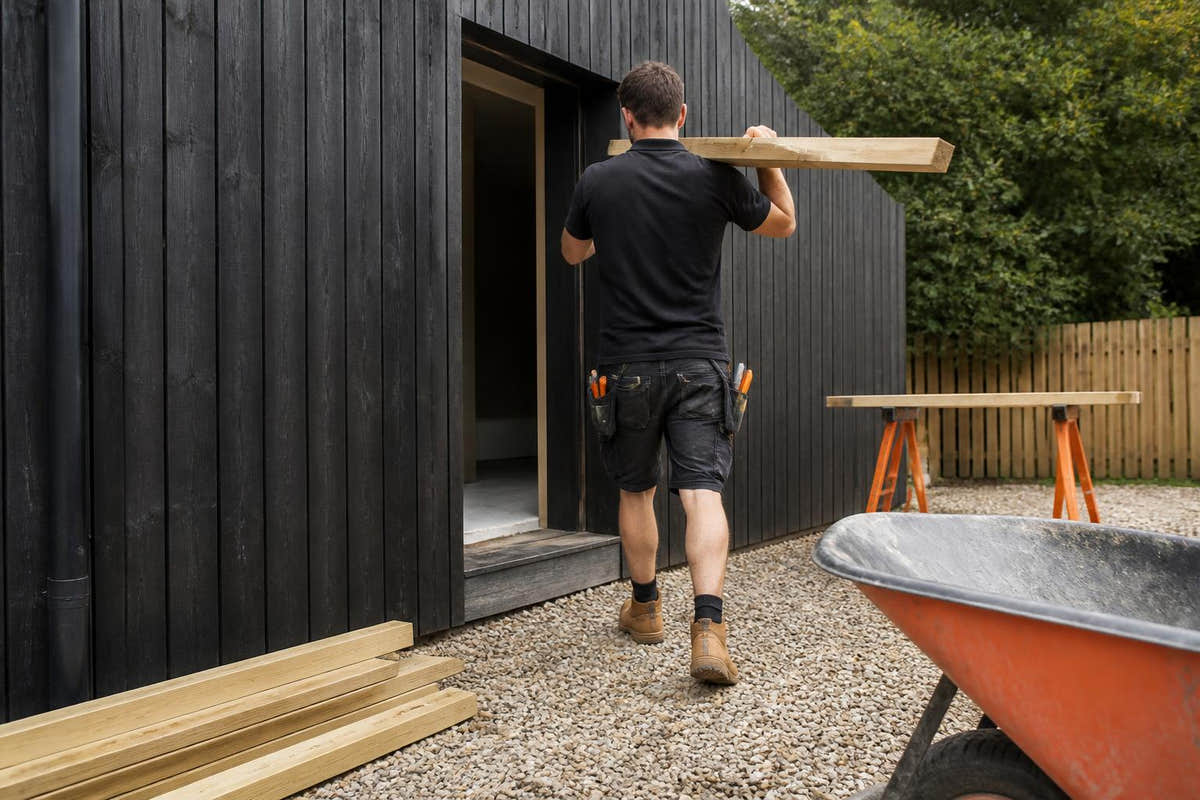
The right men’s cargo work shorts should do three things well. They should suit the hazards and movement of your job, hold up to repeated site use, and carry what you actually need without getting in the way. If any one of those is wrong, shorts that look fine on a product page can become uncomfortable, impractical or unsuitable within a few days of work.
When you compare cargo work shorts for men, start with the job before the garment. Think about where you work, how often you kneel, climb, drive or lift, what tools you carry on your person, and whether your site rules allow shorts at all. From there, fit, fabric, pocket layout and published product details become much easier to judge.
What makes cargo work shorts right for your job
Cargo shorts are not automatically right just because the weather is warm. They work best where you need better airflow and freedom than full-length trousers, but you do not need lower leg protection for the tasks in front of you.
For many UK trades, that can make them a sensible option for general summer site work, warehouse work, delivery tasks, landscaping, facilities maintenance, decorating, shopfitting, and some carpentry or mechanical roles. They are often chosen by workers who spend long hours walking, carrying light to moderate tools, getting in and out of vans, or moving between indoor and outdoor jobs.
They are particularly useful when you need practical storage without the extra bulk of tool belts all day. A good cargo layout can keep a phone, tape, notebook, fixings, gloves and small hand tools organised and reachable.
That said, not every trade or task suits shorts. If you regularly work around sharp edges, hot materials, sparks, wet concrete, dense undergrowth, rotating equipment, chemical splash, or surfaces that abrade the shin and calf, full-length work trousers are usually the better choice. The same applies if you spend much of the day kneeling on rough ground or moving through spaces where exposed skin is more likely to be scraped.
Site rules matter as much as comfort. Many principal contractors and employers set dress requirements through site induction, RAMS, or internal clothing policy. In the UK, shorts may be acceptable on one project and refused on another, even for the same trade. If the job calls for hi-vis lower body garments, specific arc-rated clothing, chainsaw protection, or other certified PPE, ordinary cargo shorts are not a substitute.
A simple way to decide is this. Choose shorts when the main problem is heat and restricted movement, and the task risk assessment does not require lower leg cover. Choose trousers when protection matters more than ventilation.
If you are balancing summer layers across different jobs, it can help to compare shorts with the rest of your warm-weather kit, including hi-vis clothing for site and roadside work where visibility requirements apply.
Fit, rise and leg length that work through a full shift
A pair of work shorts can feel fine standing in a changing room and still be wrong by mid-morning. The real test is whether the fit stays comfortable when you bend, squat, climb steps, kneel, drive and carry tools.
Start with the waist. It should sit securely without needing a belt pulled excessively tight. If the waistband bites when you sit in the van or lean forward, the size or rise is probably wrong. If it slips down once the pockets are loaded, it is too loose or the cut does not suit your shape. On product pages, check whether the fit is described as regular, relaxed or slim, and whether there is any stretch in the fabric or waistband.
Rise matters more than many buyers realise. A very low rise can expose the back when kneeling or reaching overhead. A higher rise can give better coverage and stability, especially if you spend the day crouching, lifting or working at floor level. For active trade use, most people do better with a balanced mid rise rather than a fashion-led low cut short.
Seat and thigh room are just as important. You should have enough space to step up ladders, crouch and get into a van without the fabric pulling hard across the seat or upper thigh. If the shorts feel tight there when empty, they will feel worse once the pockets are loaded. Stretch panels can help, but they should support movement, not compensate for buying the wrong size.
Leg length is a practical issue, not just a style choice. Very short shorts can ride up when climbing and leave too much thigh exposed for kneeling or carrying materials. Very long shorts can catch at the knee, bunch when driving, or feel awkward on ladders. For most site use, a length that sits above the knee but still gives decent upper leg cover tends to work best.
This is where the published inside leg becomes useful. Check the measurement on the product page rather than relying on photos alone. A model image may not tell you enough if you are taller, shorter or broader through the thigh than the person wearing it. The same stated inside leg can also wear differently depending on the rise and cut.
If you already own work trousers from a brand that fits you well, compare the waist and top block shape rather than assuming the shorts version will fit identically. Shorts often sit differently because there is less fabric below the thigh to balance the garment.
For team buying, avoid guessing from casualwear sizes. Ask wearers what size they use in work trousers, whether they need extra room for movement, and whether they usually wear knee pads or carry tools in pockets. That gives a better starting point than ordering everyone by standard waist size alone.
Fabric, reinforcement and stitching that affect durability
Durability starts with fibre content, but it does not end there. Two pairs of shorts can look similar online and wear very differently on site because of weave, panel design, reinforcement and construction.
Cotton-rich shorts are often chosen for comfort and breathability. They can feel cooler in hot weather and softer against the skin. For lighter duties or indoor work, they can be a good option. The trade-off is that pure or high-cotton fabrics may dry more slowly and can wear faster at stress points if the construction is basic.
Polycotton blends are common in workwear for good reason. They generally balance durability, shape retention and easier care, while still feeling comfortable enough for long shifts. For many trades, a sturdy polycotton short is the sensible middle ground, especially if you wash workwear frequently.
Stretch content can make a real difference if your day involves climbing, kneeling, stepping over obstacles or getting in and out of vehicles. The key is where that stretch sits. A small amount through the main fabric can improve all-round comfort. Targeted stretch panels in high-movement areas can be even better, provided the surrounding fabric and stitching are robust. If the stretch fabric is too light compared with the rest of the short, it may become the first part to fail.
Look closely at reinforcement in the areas that take punishment. On shorts, that usually means pocket edges, pocket corners, the seat, the crotch area, belt loops and any hanging tool sections. Reinforcement can be built through heavier overlay fabric, bar tacks at stress points, rivets where appropriate, or double and triple stitching.
Stitching quality is often a better clue than marketing language. Good work shorts should show clean, consistent seams and visible strengthening where strain is highest. Loose threads, single-stitched stress points or lightly finished pocket openings are warning signs, especially if you carry screws, tapes or tools daily.
Pocket bags matter too. A hard-wearing outer fabric is no use if the inside of the pocket tears quickly under the weight of fixings or a phone. If the product page includes close images, inspect the pocket construction as carefully as the main fabric.
Care instructions also affect lifespan. Some fabrics cope better with repeated industrial-style washing than others. Even if you wash at home, workwear that needs delicate treatment is rarely ideal for muddy or dusty site use. Check the published care guidance before you buy, especially if you are ordering for a team and need clothing that can be washed routinely without fuss.
If you are weighing up storage-heavy designs, our guide on whether cargo pockets or holster pockets suit your trade better is a useful next comparison.
Which pockets do you actually need
Pockets sell work shorts, but extra pockets are only useful if they match the way you work. Otherwise they add weight, bulk and snag points without giving you much back.
Start with the basics. Most wearers need secure front pockets, back pockets that are usable but not oversized, and at least one good cargo pocket on the thigh. That covers everyday carry for many jobs without making the shorts feel overbuilt.
Cargo pockets are best when you need flat, organised storage for items such as a phone, notebook, gloves, tape or packets of fixings. Look at their position as well as their size. A large pocket placed too far forward can dig into the thigh when driving. One set too low can swing awkwardly when walking.
Think about closure type. Open cargo pockets are quick to reach into, but contents can work loose when climbing or getting in and out of vehicles. Hook and loop, poppers or zips give better security, but can be slower with gloves on. There is no universal best option. It depends whether speed or retention matters more in your day-to-day work.
Phone storage deserves special attention. Many older work shorts were designed around smaller handsets. A pocket that technically exists for a phone may not comfortably fit a modern smartphone in a case. Check dimensions, placement and closure if those details are published. A phone pocket that sits where you kneel or climb against it soon becomes irritating.
Ruler pockets remain useful for some trades, particularly joinery, carpentry and fit-out work, but they are less essential if you mainly use a compact tape measure clipped elsewhere. If you never carry a folding rule, that dedicated space may be wasted.
Holster pockets can be excellent for fast access to tools and fixings, but they are not for everyone. They add utility, though they can also add swing, clutter and extra wear. If you spend much of the day kneeling in tight spaces, driving, or brushing past finished surfaces, simpler cargo storage may be more practical. The best design is the one that supports your working pattern, not the one with the most features.
Also think about what you do not want. Oversized hanging pockets, bulky flaps, heavy trims and decorative extras can all make shorts hotter and less comfortable in summer. On workwear, useful simplicity usually ages better than feature overload.
When shorts are not suitable on site
There are clear situations where shorts should not be worn, regardless of temperature. The first is when site rules or your employer’s policy say no. In the UK, employers must assess risk and provide suitable PPE where required. If lower leg protection forms part of that assessment, shorts are out.
That can apply on construction sites, highways work, utilities, rail environments, manufacturing settings and specialist maintenance work. It can also apply on smaller private jobs where the hazard profile is obvious even if the paperwork is lighter.
Shorts are also unsuitable when the task creates exposure to cuts, abrasions, burns, sparks, chemicals, biological contamination or weather severe enough to affect safety. Groundworkers, roofers using hot works, welders, operatives using strimmers in heavy debris, and anyone working around concrete splash or thorny overgrowth should be especially cautious.
Weather is not just about comfort. Strong sun, cold wind, rain and insect exposure can all become practical site problems. If you are working outdoors all day, bare lower legs may be the wrong choice even in summer. On mixed-weather days, layering with a lightweight jacket, fleece or work bodywarmer options for changing conditions can solve heat management without switching to shorts.
Certified PPE is the key dividing line. If the role requires garments meeting a specific standard, ordinary work shorts do not count unless they are certified for that use. That point matters because buyers sometimes assume any tough-looking workwear is acceptable. It is not. A non-certified short cannot replace required flame-resistant clothing, chainsaw protection, or mandated hi-vis lower body garments.
Where UK rules differ from the EU generally, the practical point for buyers is simple. Do not assume a garment is compliant for your site just because a similar product is sold elsewhere in Europe. Check the current UK product listing, the stated certification if any, and your own site or employer requirements.
If the task really calls for full cover, move to trousers or coveralls for dirtier and higher exposure jobs rather than trying to make shorts work where they should not.
How to compare product pages before you buy
A good product page should let you make a practical decision without guesswork. Before ordering, check the details that affect fit, suitability and aftercare, not just the main image.
First, confirm sizing. Look for the actual waist range offered, whether the fit is described as regular or otherwise, and whether there is a size guide specific to that brand. If you are between sizes, fabric composition often helps you decide. A non-stretch short may need more allowance than one with built-in stretch.
Next, check the inside leg or any stated leg length. This is one of the quickest ways to avoid receiving shorts that are far longer or shorter than expected. If no inside leg is published, look for model height and fit notes, but treat images as secondary evidence.
Read the fabric composition properly. Cotton, polyester and elastane percentages tell you more than broad labels such as durable or flexible. Also look for mention of reinforcement panels, stretch zones and whether the garment includes holster pockets or fixed cargo storage.
Then check care instructions. Washing temperature, tumble drying guidance and ironing restrictions all matter if the shorts will be washed frequently. For a business buyer, easy-care garments usually make life simpler for everyone.
Stock status is worth checking before you build an order around one style. Live availability can change, especially across popular waist sizes in warm weather. If you are buying for a team, make sure all required sizes are currently available rather than assuming the full run is in stock.
Published specifications should be read as they stand on the live listing, not as remembered from a previous visit or another retailer’s page. At 100 Percent Workwear, operated by Fleeta Limited, ranges and product details can change, so it is worth verifying the current listing before you place an order. The same goes for delivery terms, returns information and any notes on special-order items. Safety boots, for example, are currently enquiry-only rather than available through online checkout, so it is always sensible to check the latest published policy on the site.
Finally, compare like with like. Put two or three shortlisted products side by side and assess them against the same checklist: waist options, inside leg, fabric blend, reinforcement, pocket layout, care instructions and stock. That usually tells you more than a long list of sales features.
The best men’s cargo work shorts are the pair that fit your working day, your site rules and your tool carry, then stand up to regular washing and hard use. Start with the job, be strict about fit and fabric, and buy from the published specification rather than the photo alone.
Are cargo work shorts suitable for all trades?
No. They suit many warm-weather tasks, fitting work and lighter site duties, but not every environment. If there is a cut, burn, chemical, abrasion or site-rule issue, full-length trousers may be the safer choice.
What is the best fabric for work shorts?
It depends on the job. Polycotton is often a practical balance of durability and easier care, while added stretch can help movement. Check the exact fabric blend and reinforcement details on the live product page.
Are holster pockets always worth having?
Only if you use them. holster pockets can speed up access to tools and fixings, but they also add bulk and weight. For lighter duties, standard cargo and rear pockets may be more comfortable.
Should work shorts fit loose or close?
They should allow bending, stepping up and driving without pulling across the seat or thighs. Too loose can snag and shift under a belt; too tight limits movement and wears faster at stress points.
Can work shorts count as PPE?
Not automatically. Most work shorts are everyday work clothing, not certified PPE. If a task needs specific protection, check the product listing, manufacturer information and current HSE guidance before relying on it.
What should I check before ordering online?
Check the current published size range, waist options, inside leg or short length details, fabric composition, pocket layout, care instructions and live stock status on 100 Percent Workwear before buying.