
How to choose a work hoodie that lasts on site
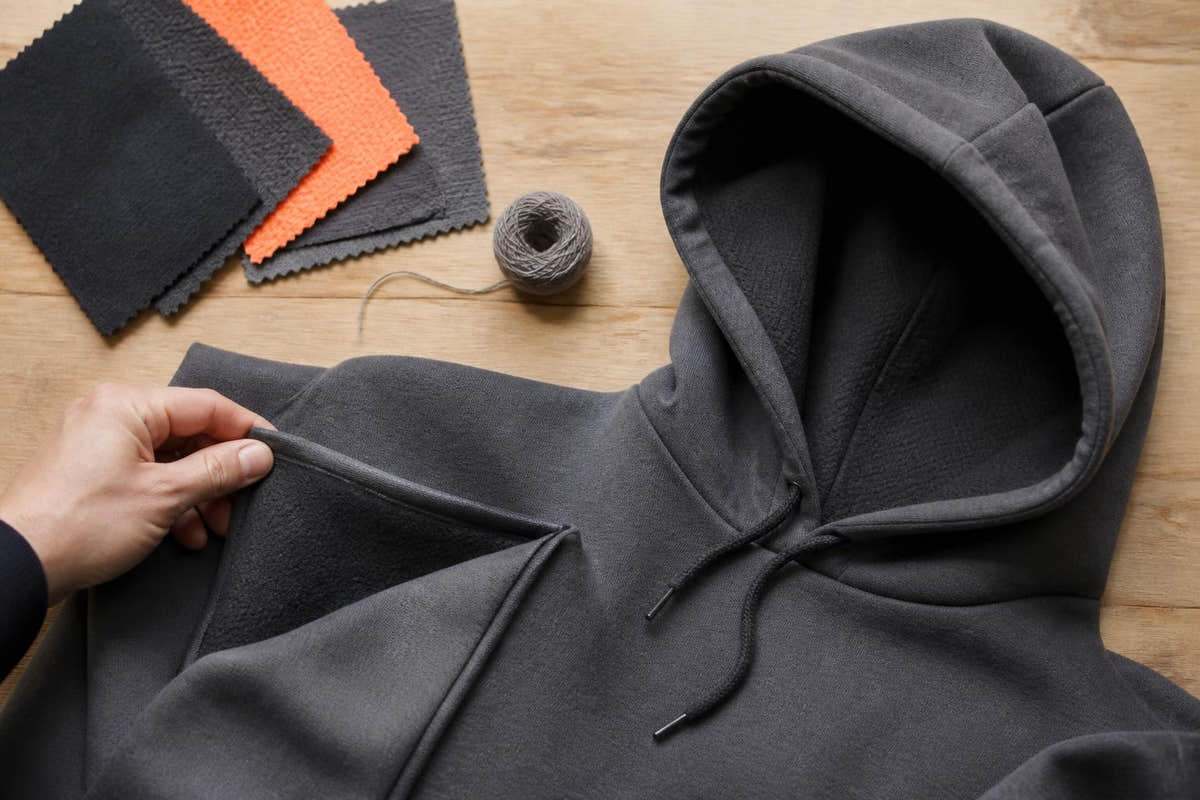
Choosing a hoodie for site work is less about style and more about whether it will still be doing its job after weeks of lifting, kneeling, loading and working through changing weather. The best one for you will be warm without being bulky, tough at the seams and cuffs, easy to move in, and practical alongside the rest of your kit.
For most trades, a good hoodie sits in the middle of a work clothing system. It is not a substitute for certified hi-vis or task-specific PPE, and it is not always the right outer layer in heavy rain or high wind. But for dry, cool days, yard work, warehouse use, driving between jobs, first-fix, landscaping, decorating and general trade work, it can be one of the most useful layers you own. If you are comparing work hoodies for men, these are the points that matter most before you buy.
When a hoodie makes sense for work
A hoodie makes sense when you need warmth, freedom of movement and a layer you can put on and take off quickly. That is why they work well for joiners, electricians, plumbers, decorators, delivery crews, warehouse staff, scaffold labourers between heavier tasks, and landscapers working through cool mornings and milder afternoons.
On many UK jobs, especially where the day starts cold and warms up later, a hoodie is a practical mid layer over a T-shirt or polo and under a jacket. It also suits jobs where you are in and out of a van, workshop or unit, rather than standing exposed on an open site all day. A brushed inner can take the chill off early starts without the bulk of a heavier fleece or jacket.
There are also times when another layer is the better choice. If you are working in persistent rain, a hoodie will absorb water more readily than a proper outer shell. A work jacket for wet and windy conditions is the better call there. If you need core warmth but do not want extra bulk through the arms, a lightweight bodywarmer for layering over a hoodie often works better, especially for drivers, warehouse pickers and tradespeople who need unrestricted reach.
Where there is a snagging risk, moving machinery, rotating equipment or a specific site rule against hoods, the hoodie may not be appropriate at all. Site rules and risk assessments come first. The same applies where flame resistant clothing, arc-rated garments, chemical protection or other specialist PPE is required. In those settings, the relevant certified garment takes priority over comfort.
For groundwork, brickwork and heavy external work in poor weather, many people find a hoodie useful only as a middle layer, not as the outer one. For painting and finishing trades indoors, by contrast, a hoodie can be ideal because it keeps you warm without the stiffness of a heavier coat. For mechanics and engineers, it depends on the task. Around clean workshop jobs it can be practical, but near exposed moving parts it may be ruled out.
What to look for in fabric, weight and build
Fabric decides a lot about how a hoodie feels on day one, and even more about how it performs after repeated washing and hard use. The simplest choice is between higher cotton content, higher polyester content, or a balanced blend.
Cotton-rich hoodies are usually softer and more breathable against the skin. They can feel more comfortable for all-day wear, especially indoors or during active work. The trade-off is that pure or high-cotton fabrics can hold moisture for longer and may show wear faster at cuffs, elbows and pocket edges if the build quality is poor.
Polyester blends tend to be better at shape retention and repeated washing. They often resist shrinking better and can stand up well to frequent use in vans, stores and site cabins. A cotton-poly blend is often the sweet spot for general workwear because it balances comfort with durability. If you are buying for a team and want consistency after regular laundering, blends are usually easier to manage.
Weight matters as much as fibre content. A lighter hoodie is useful for active jobs and layering under jackets. A heavier one gives more warmth and often feels more substantial, but it can become bulky if you are also wearing a softshell or waterproof on top. There is no single right weight for every trade. Think about where it will be worn most often. Indoors, in a van, in a warehouse, and on sheltered domestic jobs usually calls for something different from exposed outdoor work.
Brushed linings help with warmth and comfort. A brushed fleece inner traps heat and feels softer, which is why many people prefer it for autumn and winter use. The downside is that a thick brushed interior can feel too warm during stop-start work or when carrying materials. If your day involves constant movement, a smoother or lighter inner may be more practical.
Build quality is where long-term value shows up. Check the seams first. Double-stitched or reinforced seams generally cope better with repeated stretching across the shoulders and underarms. Weak seam construction tends to fail early when you are reaching overhead, leaning into worktops or carrying loads.
Cuffs and hems also matter. Ribbed cuffs should recover their shape after being pushed up the forearm, not sag after a few wears. A firm hem helps the hoodie sit properly when bending and lifting. If the cuffs lose shape quickly, sleeves start getting in the way and the whole garment looks tired sooner.
Pocket construction is worth a close look. Kangaroo pockets are convenient, but on a work hoodie they need to be properly attached and robust enough not to distort if you keep gloves, fixings or a phone in them. If you regularly carry sharp or heavy items, remember that hoodie pockets are not a substitute for proper work trousers with holster pockets. They are for convenience, not load bearing.
If you are considering a zip style, inspect the zip quality and how it is stitched in. A weak zip is one of the first things to fail on a hard-worked garment. A sturdy full-length zip is easier to vent during active work, but only if it runs smoothly and the tape does not ripple after washing.
The hood itself should be practical rather than oversized. Too much fabric around the neck and shoulders can bunch under a jacket. Drawcords are another point to think about. In some workplaces they are fine. In others they are discouraged or not allowed because of snagging concerns. Again, site rules and risk assessment decide it.
If you are browsing our range of work hoodies built for everyday trade use, focus on the published fabric composition, product weight where stated, and construction details. At 100 Percent Workwear, operated by Fleeta Limited, we keep that specification information front and centre because it is what helps you buy the right layer, not just the right colour.
Getting the fit right over tools and layers
A work hoodie should fit differently from a fashion hoodie. You need room to move, room to layer, and enough length to stay in place when bending, kneeling or reaching, but not so much excess fabric that it catches, rides up or feels heavy by midday.
Start with the shoulders. If the shoulder seam sits too far in, the hoodie will pull when you reach forward or work overhead. If it sits too far out, the whole garment can feel sloppy and bunch under outer layers. The chest should allow a base layer or polo underneath without straining across the front.
Sleeve length matters more on site than people expect. Too short, and the cuffs ride up every time you stretch. Too long, and the cuff gets in the way of hand work. A good ribbed cuff helps, but it cannot fully rescue the wrong sleeve length. If you are often working with arms extended, this is one of the first fit points to check.
Body length is especially important for trades that involve kneeling, crawling, climbing or repeated bending. If the hoodie is too short, your lower back gets exposed. If it is too long, it can bunch above tool belts or feel awkward under a harness or jacket. Think about what you normally wear below it. If your work trousers sit lower on the waist, you may want a slightly longer cut.
Layering changes the fit you need. If you plan to wear the hoodie over a thermal top in winter, allow for that. If it will usually sit under a jacket, avoid going too bulky. A hoodie that fits perfectly over a T-shirt might become restrictive once you add a base layer and outer shell. For colder months, it is often worth checking your base layers and hoodie together, especially if you use thermal layers for early starts and outdoor work.
For tradespeople who carry tools on the body, consider where the hoodie sits against pouches, clips and belts. Even if your trousers have holster pockets, the hoodie should not snag or ride up every time you access them. The same practical thinking applies if you wear a harness, kneepads integrated into trousers, or a radio clipped higher on the chest.
Sizing should always be checked against the product page rather than guessed from another brand. UK workwear sizing is not identical across manufacturers. Some garments are cut closer for layering under jackets. Others are roomier for general use. The same goes for related measurements such as inside leg on trousers. One brand’s fit tells you only so much about another’s.
Pullover or zip hoodie for your working day?
Pullover and full-zip hoodies both have a place in workwear. The better choice depends on how often your temperature changes through the day, what you wear over the top, and how often you are taking layers on and off.
A pullover hoodie is usually simpler and often slightly warmer for its weight because there is no full front zip breaking up the insulation. Many people also prefer the cleaner front and the larger kangaroo pocket. For general outdoor work in steady cool conditions, a pullover can be the straightforward option. There is less to go wrong mechanically, and no zip to buckle under a jacket.
The trade-off is flexibility. If you move between cold outdoor work and warmer indoor spaces, a pullover is slower to vent. You either push sleeves up or take the whole thing off. That is fine for some jobs, less so for others.
A full-zip hoodie is more adaptable. You can open it quickly when loading out, climbing stairs, or moving into a heated building, then zip back up when you step outside. For van-based trades, maintenance teams, warehouse staff and anyone in stop-start environments, that can make a real difference through the day.
Zip hoodies also work well when you want to show the layer underneath, such as a company polo or a hi-vis top, and understanding How to choose a zip-up hoodie that earns its place helps ensure quality. They can be easier to get on and off without dislodging hats, ear defenders or glasses. The downside is that the zip is a wear point. If the garment is poorly made, the zip will usually tell you first.
Think about what goes over the hoodie too. Under a close-fitting jacket or softshell, some people find a zip hoodie more comfortable because it is easier to regulate warmth without removing layers. Others prefer a pullover because there is less bulk down the centre front. It comes down to your normal routine and how variable your working environment is.
How hoodies fit with hi-vis, jackets and PPE
A hoodie works best when you treat it as one part of a clothing system, not the whole answer. On many jobs, that means base layer, hoodie, and outer layer chosen according to weather and site rules.
For visibility, the key point is simple. A standard hoodie is not a substitute for certified hi-vis clothing. If your role or site requires visibility clothing to a recognised standard, the hi-vis garment must be the item that meets that requirement. In the UK, employers and contractors should follow the site-specific risk assessment and the relevant garment certification. That is more important than personal preference about comfort.
This is one area where practical confusion can creep in. A bright hoodie is not automatically compliant. Nor is a hoodie worn underneath enough if the outer layer hides the reflective elements of the required garment. If the job calls for certified visibility wear, choose from proper hi-vis layers suited to site requirements and then build the rest of your clothing around that.
The same logic applies to PPE generally. Hoodies are comfort and warmth layers. They do not replace hard hats, eye protection, gloves, respiratory protection, hearing protection or task-specific protective clothing. If a hood interferes with head protection, restricts peripheral vision, or creates a snagging risk, it should stay down or the garment should not be used for that task.
Under jackets, hoodies are often excellent. A hoodie under a waterproof jacket gives warmth plus weather protection. Under a softshell, it can create a flexible system for cool, mostly dry conditions. With a bodywarmer over the top, you keep your core warm while leaving your arms free. That combination suits many driving, picking and light trade tasks.
There are also jobs where coveralls or overalls are the better outer layer, particularly for dirty, dusty or messy work. In those cases, the hoodie can still be useful underneath, but bulk matters. If you are wearing one-piece outer clothing, keep the mid layer streamlined enough not to restrict movement.
Care, washing and replacement signs
Even a well-made hoodie will not last if it is washed carelessly or left damp in the van. Good care keeps it presentable, helps it hold shape, and makes it easier to judge when it is genuinely worn out rather than just neglected.
First, follow the care label on the garment. That matters more than any general rule, because fabric blends and finishes vary. As a routine, wash hoodies inside out to reduce surface wear and help printed or embroidered areas last longer if applicable. Fasten zips before washing so they do not snag other items.
Avoid overloading the machine. Heavy workwear packed too tightly does not rinse well and increases abrasion. Wash similar weights together where possible. Very dirty site clothing should be shaken out or pre-cleaned first so grit and debris do not grind into the fabric during the wash.
Use the right temperature from the care instructions rather than assuming hotter is better. Excessive heat can shrink cotton-rich garments, stress cuffs, and shorten the life of prints and zip components. Tumble drying can be convenient, but if the label advises against it, line drying or air drying is safer for shape retention.
Do not ignore odour build-up or ingrained dirt. If a hoodie never seems to come clean, that may be a sign that fibres are holding contamination and the garment is reaching the end of its useful life. This matters even more if the hoodie is part of your branded workwear and needs to look presentable on customer-facing jobs.
Replacement signs are usually easy to spot once you know what to look for. Watch for stretched cuffs that no longer stay put, hems that twist, thinning elbows, seam failure at the shoulders or underarms, and zip issues on full-zip styles. Fading on its own may not stop a hoodie being wearable for rough work, but once the fabric loses structure, warmth and fit go with it.
Also replace a hoodie if it no longer layers properly because it has shrunk, warped or become too stiff. Comfort is not a minor issue at work. If a layer restricts movement, rides up constantly or catches on other kit, it stops being practical.
For team buying, it helps to rotate garments rather than relying on one hoodie day after day. That extends life and keeps staff looking more consistent on site and with customers. Before ordering, we always recommend checking the live product page for current sizing, stock and specification details, because ranges do change. That is especially important when you are trying to match existing uniforms or buy across multiple sizes.
A work hoodie lasts on site when it is chosen for the actual job, not just the weather forecast. Get the fabric right, keep the fit practical, think about how it layers with hi-vis and PPE, and look after it properly. Do that, and your hoodie becomes one of the hardest-working layers in the wardrobe, rather than the one that looked good once and then got left in the van.
Are work hoodies suitable for all building sites?
No. Some sites allow them as everyday workwear, while others set stricter dress rules or require specific hi-vis and PPE. Always check the site rules and the employer’s risk assessment before choosing a hoodie.
Is a heavier hoodie always better?
Not always. Heavier fabric can feel warmer and more robust, but it may be too bulky indoors or under a jacket. The best choice depends on weather, activity level and whether you need easy layering.
Should I size up a work hoodie?
Only if you regularly wear thick layers underneath. A hoodie should allow reaching, lifting and bending without riding up, but too much extra room can snag, feel bulky and sit badly under outerwear.
What is better for work, a zip hoodie or a pullover?
A zip hoodie is easier to vent and remove during a long day. A pullover can feel simpler and slightly less fussy. The better option depends on how often your temperature changes and what you wear over it.
Can a hoodie replace a jacket in winter?
Sometimes for light outdoor work or milder days, but often not for prolonged exposure to cold, wind or rain. Many workers use a hoodie as a mid-layer under a jacket rather than as the outer layer.