
How to choose a work fleece that earns its place
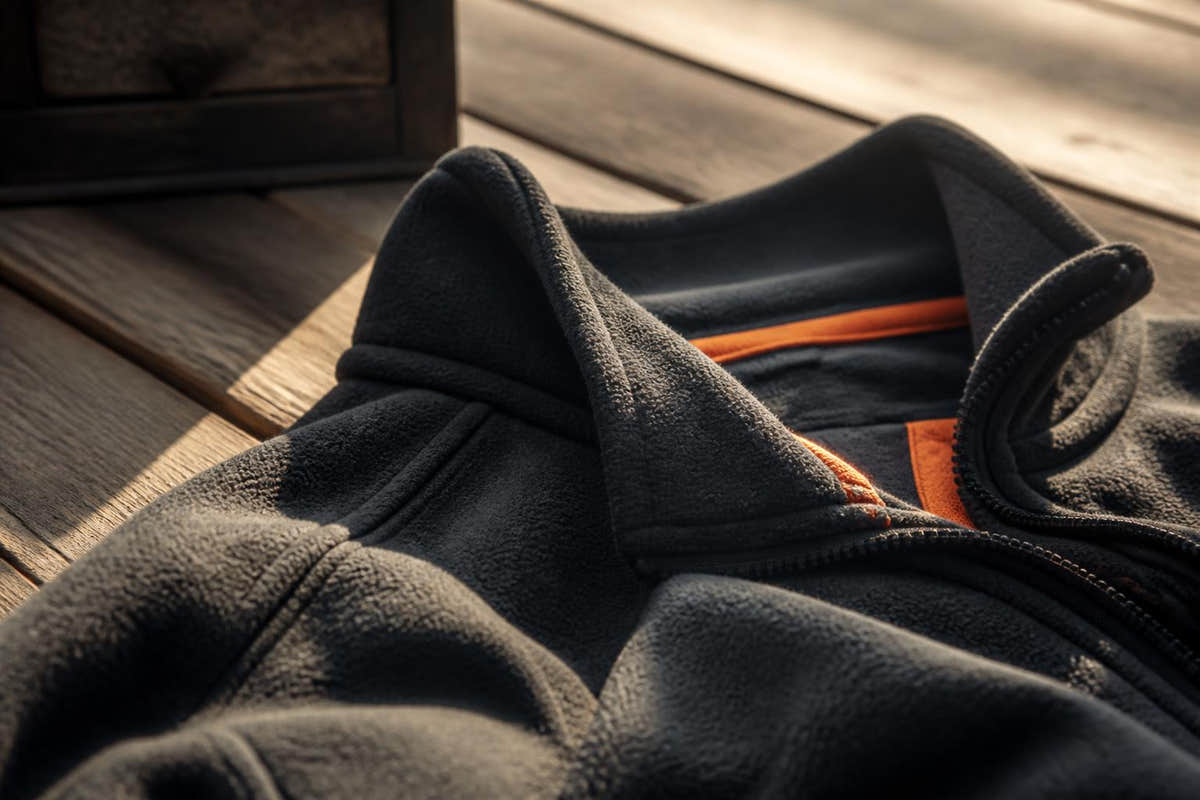
A work fleece earns its place when it solves real site problems. It needs to add warmth without making you clammy, move properly when you are lifting or reaching, and sit comfortably with the rest of your kit. If it only feels good in the van or in the merchant’s yard, it is not the right layer for the job.
For most UK tradespeople, the best fleece is not the warmest one on the rail. It is the one that matches how you actually work, what you wear over and under it, and the conditions you deal with through the week. That means looking past brand claims and checking fabric weight, fit, pocket layout, cuff finish, and whether it still makes sense once wind, rain, hi-vis requirements or PPE rules come into play.
What a good work fleece needs to do on site
On site, a fleece has a simple role. It is your insulating mid layer, or in milder weather your outer layer, that keeps you warm while letting heat and moisture escape. That is why work fleece jackets still have a firm place in trade clothing, even with hoodies and softshell styles everywhere.
Compared with a hoodie, a fleece usually dries faster, carries less bulk, and is less likely to stay damp after a wet start, a sweaty shift, or a wash overnight. A standard hoodie can be comfortable enough for general duties, but many cotton rich sweat fabrics hold moisture for longer and can feel heavy once damp. A fleece is often the better tool when you are in and out of buildings, loading up early, or working through changeable weather.
Compared with a softshell, fleece is usually better at pure warmth for the weight and often more breathable during active work. A softshell gives you more wind resistance and a neater outer face, which can be useful in exposed conditions. But if you are carrying materials, climbing steps, kneeling, and moving all day, some softshell jackets can feel less breathable than a good fleece. If you are weighing those two up, our guide on choosing between fleece and softshell when the weather turns is a useful next read.
Compared with a bodywarmer, a fleece gives you full arm coverage, which matters on cold starts, draughty interiors and scaffold work. A bodywarmer keeps your core warm while leaving the arms free, which some people prefer for fitting, driving and repetitive hand work. But when the temperature drops or you are standing around between jobs, sleeves make a noticeable difference. If you prefer sleeveless layering, it is worth comparing insulated gilets and bodywarmers for trade use alongside fleece options.
A good work fleece also needs to cope with how trade clothing gets used. It should go on quickly, zip up with one hand, sit flat under another jacket, and not snag or ride up every time you bend. It should be easy to wash, quick enough to dry for the next shift, and practical enough that you actually keep wearing it rather than leaving it in the van.
How to choose the right weight, fabric and warmth
The first choice is weight. In practice, lighter fleeces suit active work, layering, and broad year round use. Heavier fleeces suit colder conditions, slower paced tasks, and jobs where the fleece will spend more time as the outer layer.
A lighter fleece is often the most versatile buy. It works over a T-shirt or polo on a cool morning, over a thermal top in winter, and under a waterproof or work jacket when the weather closes in. If your week includes indoor and outdoor work, driving between jobs, or regular lifting and carrying, lighter fleece fabric is usually easier to live with.
A heavier fleece can be the right call for yard work, winter maintenance, site supervision, delivery work, or any role with more standing than moving. The trade off is bulk. Too much bulk under another jacket can restrict shoulder movement and make the whole system feel awkward.
Fabric matters as much as weight. Most fleeces in workwear are polyester based, and that is not a drawback. Polyester fleece tends to dry quickly, hold less water than many cotton rich layers, and keep its insulating role even when conditions are changeable. The finish and construction make the difference. A tightly finished fleece can feel neater and layer more easily, while a fluffier, loftier fleece may feel warmer but can be bulkier under outerwear.
Breathability is where many buying decisions go wrong. If you work hard physically, too much warmth can be as annoying as too little. Overheating leads to sweat, and sweat leads to feeling cold when you stop moving. For active trades, it often makes more sense to build a system with a breathable base layer, a sensible fleece, and a weather layer ready when needed. Our range of thermal base layers for cold starts and winter jobs is worth checking if you need warmth without jumping straight to the heaviest fleece available.
Drying time is another practical point. If you wash workwear during the week, fleece usually comes back into service faster than heavier sweat fabrics. That matters if you rotate a small number of garments. It also matters for workers who start wet and muddy, wash kit overnight, and need it ready again first thing.
Across UK seasons, most people are better served by a medium or lighter fleece they can layer up or down, rather than a very heavy fleece with limited use outside winter. The UK climate tends to reward flexible clothing systems. A very warm fleece can be excellent for a narrow window of the year, but a more adaptable option often gets worn far more often.
Getting the fit right for layering and movement
Fit is where a decent fleece becomes a useful one. On paper, a product can tick every box, but if the sleeves pull when you reach, the hem rides up when you kneel, or the chest is too tight over a base layer, it will not earn its keep.
Start with how you plan to wear it. If the fleece will mainly go over a T-shirt or polo as an outer layer, a neater fit can work well. If it will sit over thermals or under a jacket through winter, you need enough room for layering without bunching at the shoulders and under the arms.
Check sleeve length properly. A fleece that looks fine standing still can come up short as soon as you stretch forward to lift boards, use tools overhead, or hold the steering wheel. Sleeves should cover the wrist in working positions, not just when your arms are by your sides. Cuff finish also affects this. Elasticated or bound cuffs can help sleeves stay in place without flapping.
Body length matters more than many buyers expect. Too short, and the hem rides up when you bend or kneel. Too long, and it can bunch around the hips when driving or crouching. For site use, you want enough back length to keep your lower back covered in working positions, especially if the fleece will be worn without a longer outer jacket.
Shoulders and upper back need close attention. If you feel tightness across the back when reaching both arms forward, the fleece is likely too small or too narrowly cut for the job. That restriction becomes more obvious when you add a base layer underneath or a jacket over the top.
For small business buyers kitting out a team, it helps to think beyond chest size alone. Different jobs within the same business may suit different fits. A driver, warehouse operative and installer may all wear the same company colours, but not necessarily the same cut. Some workers need a trimmer fit for frequent vehicle use, others need more room for tools on the belt, kneeling, and repeated overhead movement.
As with work trousers, where details like waist fit and inside leg make all the difference to comfort, fleece sizing works best when you match it to the real job rather than the nominal size label.
The features worth paying for and the ones to question
Some fleece details are worth the extra money because they affect daily use. Others sound useful but make little difference for many buyers.
A good front zip is worth paying for. It should run smoothly, feel sturdy enough for repeated use, and be easy to grab with cold or gloved hands. A poor zip can turn an otherwise good fleece into a nuisance very quickly.
Pocket placement matters. Zipped side pockets are useful for keys, phone and small items, but only if they sit where your hands naturally fall and do not clash with kneeling, harnesses, or tool belts. Chest pockets can be handy for slim items, but they are not essential for everyone. If you wear coveralls, harnesses, or jackets over the fleece, some chest pockets become difficult to use anyway.
Collar shape is often overlooked. A fleece with a well cut stand collar helps keep warmth in around the neck without feeling stiff under the chin. Too low, and it does little in cold wind. Too high or too floppy, and it becomes irritating when zipped fully.
Cuff finish is another practical detail. Simple elastic or bound cuffs often work better than oversized adjustable cuffs on a fleece. They keep the sleeve tidy and help with layering. If the cuff is loose and bulky, it can catch when you pull another jacket over it.
Reinforcement is worth considering in high wear areas, especially if you regularly carry materials on the shoulder or rub against rough surfaces. Reinforced panels can improve durability, but they need to be in the right places and not make the garment stiff. For many users, a well made plain fleece is a better buy than a heavily detailed one with features they will not use.
What should you question? Decorative contrast panels, excessive zip pulls, and feature lists that read better online than they work on site. Media ports, hidden gadget pockets and styling extras often matter less than decent warmth, useful pockets and reliable construction. The same goes for very thick fleece marketed as tough enough for everything. If it is too bulky to layer and too hot to work in, it may spend more time on a hook than on the job.
When a fleece is enough and when you need something else
A fleece is enough when the main problem is cool air, light chill, and the need for flexible warmth during active work. It is often ideal for dry mornings, indoor jobs, warehouse work, workshop use, and milder outdoor conditions where you are moving regularly.
A fleece is not enough when wind and rain become the main issue. Fleece is not designed to stop sustained wind in the way a softshell or weatherproof outer layer can, and it is not a waterproof. In light showers it may cope briefly, but once wet through it stops being comfortable very quickly. That is when you need to look at weather ready outer layers in our work jacket range.
Higher risk environments are a separate question. Everyday workwear and warmth layers are not automatically PPE. If a job requires certified protection, the garment must meet the relevant standard for that hazard. Depending on the work, that might involve high visibility clothing, flame resistant clothing, arc rated garments, chainsaw protection, or other task specific equipment. In the UK, requirements are tied to the risk assessment and the exact role. A standard fleece cannot simply stand in for certified kit because it feels substantial.
The same applies to hi-vis. A dark or neutral fleece may be perfectly suitable for general work, but if the site or roadside environment requires visibility clothing, you need a garment designed and certified for that purpose. That distinction matters. Everyday layers help with comfort. Certified hi-vis garments address visibility requirements. PPE addresses specific hazards. They are not interchangeable categories.
Where a fleece sits in that system depends on the job. It may be worn underneath certified outerwear, or it may be unsuitable if the environment demands a different type of protective clothing throughout. If your team needs visibility clothing, start with the actual requirement and then compare suitable options in our hi-vis clothing collection for site and roadside use.
Checks to make before ordering from 100 Percent Workwear
Before you place an order, especially for a team or for a specific site requirement, make a few checks on the live product page. This is the simplest way to make sure the fleece you choose is the one that arrives and does the job you expect.
First, confirm the exact published variant. Check colour, size, and any style differences carefully. Product families can include similar looking options with different fabric weights, trims or intended uses.
Second, check current size availability on the live page. Stock positions change, and if you are ordering for multiple workers it is worth confirming all required sizes before you commit. If you are balancing several garments across a uniform order, do the same for related items such as trousers, jackets and hoodies.
Third, read the specification section properly. Look for the fabric type, whether the fleece is full zip or half zip, pocket arrangement, cuff finish, and any reinforcement details. Do not rely on the main image alone.
Fourth, check care instructions. Work clothing gets washed hard and often. Make sure the washing guidance fits how you actually maintain kit. Drying time, wash temperature and any restrictions on fabric care all affect how practical a fleece will be in real use.
Fifth, review returns information before ordering, especially if you are trying a new style or buying across a team with different body shapes. A sensible buying process is easier when you know the current policy in advance.
Sixth, if the fleece is being bought for a specific site rule or safety requirement, confirm whether you are choosing everyday workwear, hi-vis clothing, or certified PPE. If the requirement is about visibility or hazard protection, check the published product details for the relevant compliance information rather than assuming a fleece will cover it.
Finally, keep the wider order in mind. A fleece works best as part of a system. You may need a base layer for cold starts, a weatherproof outer layer for exposed work, or accessories to finish the kit. At 100 Percent Workwear, operated by Fleeta Limited, we keep that practical approach in mind across the range. And where a product category is not currently available for direct online checkout, such as safety boots, it is important to follow the published buying route rather than assuming the same process applies.
The right fleece is rarely the one with the longest feature list. It is the one that matches the way you work, layers cleanly with the rest of your clothing, and stands up to daily use. Check the live details, buy for the real conditions, and your next fleece is far more likely to earn its place.
Are work fleece jackets warm enough for winter?
Often as a mid layer, yes. On exposed or very cold jobs, many workers need a base layer underneath and a weatherproof outer layer over the top.
Is a fleece better than a softshell for work?
It depends on the job. Fleece usually feels warmer for its weight indoors or in dry cold weather, while softshell is often better where wind resistance matters.
Should a work fleece be tight or loose?
Neither extreme works well. It should leave room for a base layer and easy movement, without so much excess fabric that it snags or feels bulky under a jacket.
Can a fleece count as PPE?
Not by default. Treat a fleece as everyday clothing unless the exact product page states a relevant certification and the garment suits the workplace risk assessment.
What should I check before buying online?
Check the live size range, fabric specification, pocket layout, care guidance, colour options and whether the exact item is currently published and available.