
How to choose a winter work jacket that earns its keep
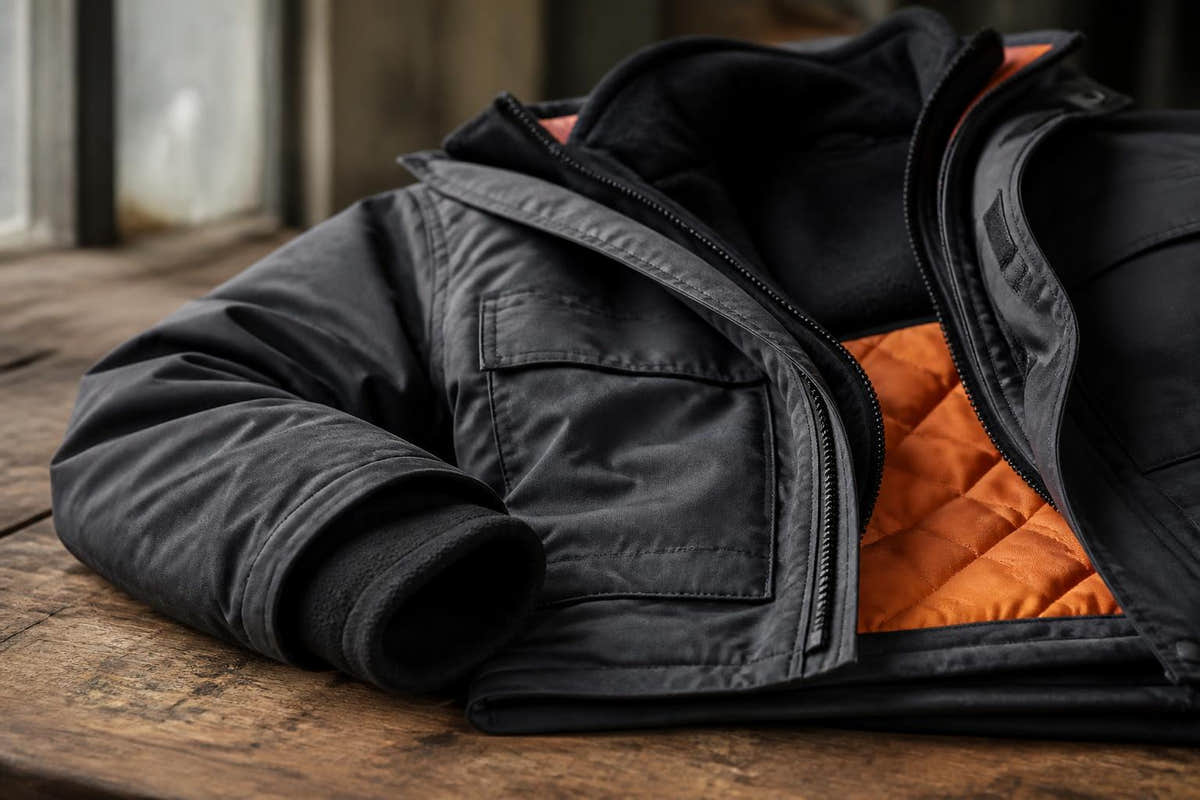
A winter work jacket earns its keep when it does more than feel warm in the yard. It needs to keep you working when the weather turns, without getting in the way every time you reach, lift, climb in and out of a van, or bend over a bench. For most UK trades, that means balancing insulation, weather protection, freedom of movement and hard-wearing construction, rather than simply choosing the thickest coat on the rail.
When we help customers compare men’s winter work jackets, the best choice usually comes down to the job itself. A roofer standing exposed on a windy site needs something different from an engineer moving between workshop and callouts, or a delivery driver who wants quick warmth without bulk. If you judge the jacket by the conditions you actually work in, and not by one cold morning in the car park, you are far more likely to end up with something you wear all winter instead of leaving it in the van.
What a good winter work jacket needs to do
A proper winter work jacket has four jobs.
First, it needs to hold enough warmth for the conditions. That does not always mean heavy padding. In UK winter weather, damp air and wind can make a mild day feel much colder than the thermometer suggests. A jacket that traps warmth but lets cold air whistle through the zip or cuffs will disappoint quickly.
Second, it needs to deal with weather. That can mean light shower resistance for general outdoor work, or a fully waterproof outer layer when you are out in persistent rain. Many workers do not need full waterproof protection every day, but they do need a jacket that can cope with drizzle, spray, mud and repeated use without wetting out straight away.
Third, it has to let you move properly. If a jacket pulls across the shoulders when you drive, ride up when you kneel, or feels tight over a hoodie, it becomes a nuisance. Good workwear should allow reaching, twisting and carrying without constant adjustment.
Fourth, it needs to stand up to the job. Winter jackets take abuse from scaffold, van seats, rough blockwork, dirty floors, tools, fixings and repeated washing. Weak zips, thin cuffs and poor stitching usually show up long before spring.
That is why we suggest starting with the real working day. Ask yourself:
- How many hours are you outside?
- Are you static, walking, or working hard physically?
- Do you spend more time in rain, wind, or cold dry conditions?
- Do you need to layer over a sweatshirt, fleece or thermal top?
- Will the jacket be worn under other PPE or over it?
Those answers matter more than brand labels or marketing terms. If you are comparing options in our range of work jackets, check the product details for fabric type, insulation, fastening, hood design and care instructions, rather than assuming all winter jackets perform the same way.
Which jacket type suits your work best?
There is no single best jacket type for everyone. The right one depends on how exposed you are, how active you are, and whether you need one outer layer or a system you can adapt.
Insulated jackets
Insulated jackets are the obvious choice for cold outdoor work. They are built to hold warmth, often with padded or quilted construction, and they suit jobs where you spend long periods outside or stop and start through the day.
They tend to work well for:
- general builders
- groundworkers
- yard staff
- delivery and transport work
- site supervisors
- workers who stand for stretches in exposed areas
The trade-off is bulk. A heavily insulated jacket can feel restrictive if your work involves overhead fixing, repeated climbing or tight indoor spaces. If you run hot once you get moving, too much insulation can leave you damp from sweat, which then makes you colder when activity drops.
softshell jackets
A softshell jacket is often the most useful all-rounder for mixed conditions. It usually gives better stretch and movement than a padded winter coat, with some weather resistance and a smarter, lower-bulk fit.
Softshell styles suit:
- engineers
- fitters
- installers
- warehouse and yard workers
- trades moving between van, customer site and indoor areas
- anyone who values mobility and moderate warmth over maximum insulation
A softshell is especially practical when you are active enough to generate heat, but still need protection from wind and light rain. It is less suitable as your only winter outer layer for long static spells in severe cold or prolonged wet weather.
Waterproof outer layers
A waterproof shell comes into its own when rain is the main problem. In the UK, that matters. If your work carries on through wet spells, a waterproof jacket can be more valuable than a thicker insulated style that eventually soaks through.
These are a strong option for:
- utilities work
- outdoor maintenance
- landscaping
- roadside roles
- anyone working for hours in persistent rain
The key point is that waterproof does not automatically mean warm. Some waterproof jackets are shells designed to go over mid-layers. That can be the best system of all, because you can adjust underneath as conditions change. If you choose this route, allow room for a fleece or thermal layer without making the fit baggy when worn on its own.
bodywarmer-led layering
For some trades, a jacket is not the starting point. A bodywarmer over a thermal or sweatshirt, with a waterproof shell ready when needed, can be the better setup.
This works well for:
- joiners and carpenters
- warehouse pickers
- drivers
- workshop staff
- trades with high arm movement
- indoor-outdoor roles where temperature changes through the day
A bodywarmer keeps the core warm while leaving the arms free, which many people prefer for practical tasks. It is not enough on its own for exposed winter weather, but as part of a layering system it can be more versatile than one heavy coat. If that sounds closer to how you work, our bodywarmers and gilets for layering are worth comparing alongside jackets rather than as a separate purchase.
How warm is warm enough?
The right level of warmth depends less on season and more on activity.
If you work outdoors for long periods with limited movement, you need more insulation. Cold settles in quickly when you are standing, supervising, waiting for deliveries or working at a slower pace. In those conditions, a properly insulated jacket with good wind resistance makes sense.
If you move between indoors and outdoors, moderate warmth is usually better. Too much insulation can become uncomfortable in vans, workshops, plant rooms and customer premises. That is where layered systems earn their keep. A thermal base layer, mid-layer and lighter jacket often outperform one very thick coat because you can adapt as the day changes. Our thermal base layers for winter layering are the part many people skip, then wonder why the outer layer never feels quite right.
If your job is high movement, breathability matters almost as much as insulation. Think roofing, fencing, active installation work or repeated lifting. You need enough warmth for the weather, but also a jacket that lets heat and moisture escape. Otherwise, sweat builds up inside, your layers get damp, and you feel chilled when you stop.
A few practical rules help here:
- If you are often cold in the first ten minutes but comfortable once working, do not overcorrect with the heaviest jacket available.
- If wind is the main issue, prioritise wind resistance and cuff, hem and collar design.
- If you are regularly soaked through from sweat rather than rain, reduce insulation or improve layering.
- If you are cold across the shoulders, kidneys or chest, check coverage and fit before assuming you need a thicker jacket.
It also helps to think in terms of a system. Base layer, mid-layer, outer layer. For outdoor winter work in the UK, that is usually more useful than relying on one garment to do everything. Thermal layers handle moisture and next-to-skin warmth. A fleece, sweatshirt or lightweight insulated piece adds warmth. The jacket then blocks weather and abrasion.
What fit and features matter on site?
A winter jacket can look right on the hanger and still be wrong at work. Fit and small design details make the difference between a jacket you wear daily and one you regret.
Sizing and room for layers
Check the sizing guide for the actual product, not just the size you usually buy. Different cuts vary, especially between fitted softshell styles and more generous insulated jackets. Leave enough room for the layers you genuinely wear underneath. If you normally work in a polo and hoodie, fit the jacket around that combination, not a T-shirt.
A jacket that is too tight loses practical warmth because it compresses the layers underneath and restricts movement. One that is too loose can let in draughts and snag more easily.
Sleeve length
Sleeves should stay down when you reach forward. If cuffs ride back every time you drive screws or lift materials, your wrists are left exposed and the jacket becomes irritating fast. Adjustable cuffs help, especially when you swap between gloves and bare hands.
Hem length and back coverage
For site work, slightly longer coverage at the back is useful. It helps keep the lower back covered when bending or kneeling and reduces drafts. Very short fashion-led cuts are rarely the best choice for practical winter use.
Pocket layout
Think about what you actually carry. Handwarmer pockets are useful, but so are secure chest pockets, internal pockets for a phone or paperwork, and zips that are workable with cold hands or gloves. The best layout depends on the trade. An engineer may want easy access to a notebook and phone. A site worker may prefer fewer external pockets to avoid catching or filling them with debris.
If you already wear work trousers with holster pockets, you may not need a jacket overloaded with storage. In fact, too many bulky pockets can get in the way when crouching or wearing a harness or tool belt.
Hood design
A hood can be a lifesaver in poor weather, but only if it works properly. Check whether it is adjustable, whether it blocks side vision, and whether it sits comfortably over a hat. A hood that flaps in wind or constantly falls forward is more nuisance than benefit.
For some jobs, a high collar without a hood is preferable because it layers better and interferes less with other kit.
Zip and fastening details
A decent front zip matters more than people think. Weak zips are one of the first failure points on a hard-used jacket. Storm flaps, chin guards and easy-grip pullers all improve day-to-day use. Look at cuff closures, hem adjusters and reinforcement around stress points as well.
When do you need hi-vis or other PPE considerations?
Not every winter work jacket is PPE. That distinction matters.
A standard work jacket can be perfectly suitable for warmth, weather protection and durability, but if your role or site requires visibility protection, flame resistance, arc protection or other certified performance, you need to check the relevant specification on the garment itself and in the manufacturer information.
For hi-vis clothing in the UK, the requirement depends on the task, the site rules and the risk assessment. Some workplaces require certified hi-vis outerwear because workers are near moving vehicles, plant, roads or low-light conditions. In that case, an ordinary dark winter jacket is not a substitute just because it is warm. You need the correct certified garment for the job. Where a garment is sold as hi-vis, check the published class and standard, and make sure the jacket is being worn in the way the certification requires.
This is also where UK practice may differ from general EU assumptions. Product standards can still be familiar across both markets, but what matters day to day is the current UK legal and site requirement applying to your work. Always check site induction rules, your employer or principal contractor requirements, and current HSE guidance where relevant.
The same applies to other PPE considerations. If you need compatibility with hard hats, harnesses, respiratory protection or specialist protective clothing, do not assume a general winter jacket will do the job. Check the garment details carefully. If your work calls for visible outer layers, start with our hi-vis workwear for site and roadside use, then confirm the exact product specification before ordering.
How do you make a jacket last through winter?
A winter jacket lasts longer when it is treated like work kit, not just thrown in the van and forgotten.
Start with care labels. Different fabrics and finishes need different washing and drying methods. Overwashing can shorten life, but so can leaving mud, oil and ground-in dirt to sit in the fabric. Wash when needed, follow the stated temperature, and avoid guessing. Some water-resistant finishes degrade faster if you use the wrong detergent or fabric conditioner.
Drying matters as well. Never leave a soaked jacket crumpled overnight if you can help it. Hang it up properly, open pockets, and let it dry fully before the next shift. Damp insulation performs poorly and can start to smell or break down. Avoid forcing garments onto direct high heat unless the care instructions allow it.
Rotation helps more than most people expect. If you wear the same jacket every day in all conditions, it will age faster at the cuffs, zip, elbows and shoulders. If your work pattern allows, alternating between a lighter softshell, a waterproof shell and a heavier insulated jacket can extend the life of all three.
Storage is simple but important. Do not compress a padded jacket under tools and fixings in the van for weeks at a time. Hang it when possible. Keep it away from oils, sharp edges and wet floors. Even a good jacket will fail early if it lives under rubble sacks and extension leads.
Check wear points through the season:
- fraying cuffs
- broken or stiff zips
- thinning elbows
- failed stitching
- flattened insulation
- peeling waterproof coatings
- damaged reflective tape on hi-vis items
Some issues are manageable early. A loose hem cord or minor stitch failure can be sorted before it becomes a full split. But once the jacket no longer keeps you warm, dry or safe enough for the job, replacement is usually the sensible call.
At 100 Percent Workwear, operated by Fleeta Limited, we always recommend checking the exact product page for current sizing, stock, specifications and care details before buying. That matters for jackets just as much as it does for trousers, especially if you are matching winter layers with other workwear. If you already know your trouser fit by waist and inside leg, apply the same practical thinking to outerwear, buy for the job you actually do, and your winter jacket is far more likely to earn its keep from the first cold snap to the last.
Should a winter work jacket be tight or loose?
Neither. It should leave enough room for a base layer or fleece without pulling across the shoulders or restricting reach. Too tight reduces comfort; too loose can let in draughts and snag on the job.
Is a softshell warm enough for winter work?
Sometimes. A softshell can suit active work in cool, changeable weather, especially with layers underneath. For long static outdoor jobs or colder wet conditions, an insulated or waterproof outer layer is often the better choice.
Are all winter work jackets waterproof?
No. Some are mainly insulated, some are shower-resistant, and some are designed as waterproof shells. Check the published product specification on 100 Percent Workwear before relying on a jacket for wet-weather use.
Can I wear a bodywarmer instead of a jacket in winter?
A bodywarmer can work well for active jobs where arm movement matters, but it leaves the sleeves exposed. Many workers use one as part of a layering system rather than as the only outer layer in cold or wet weather.
Do I need hi-vis for winter work?
Only if your task or site requires it. hi-vis clothing is not just a style choice; where visibility matters, check the site rules and the exact garment certification. Everyday outerwear should not be treated as PPE unless specified.