
How to choose a smarter polo for work
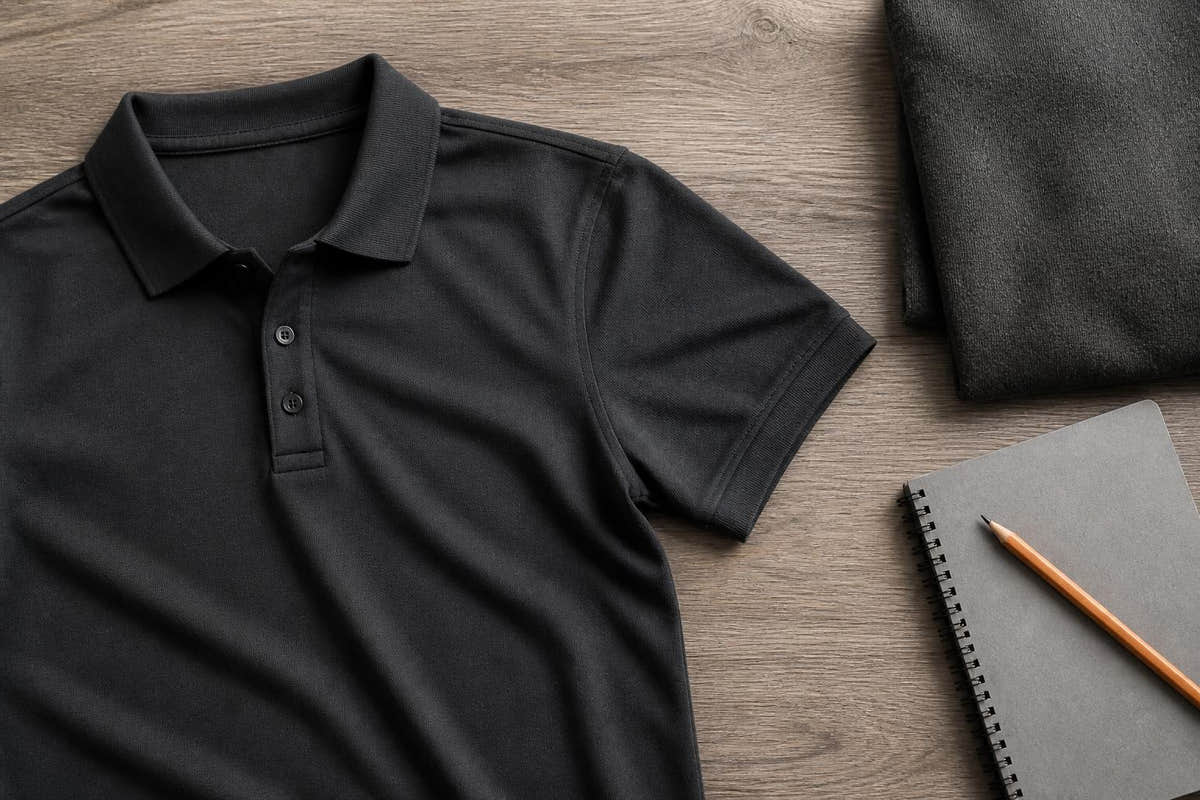
A smarter polo for work should do three things at once. It should look tidy enough for customers, wear comfortably through a full shift, and stand up to repeated washing without losing its shape or colour. That usually comes down to the collar, the fabric, the fit, and whether the shirt suits the job it is being bought for in the first place.
For most teams, a polo sits in the useful middle ground between a basic T-shirt and a heavier sweatshirt or jacket. It is often the right choice for tradespeople visiting occupied homes, mobile engineers, warehouse teams, counters, drivers, and staff who need branded uniform that looks more put together without feeling formal. The key is choosing a polo that is genuinely suitable for work, not just a casual style being asked to do too much.
What makes a work polo look smart enough for the job
A smart work polo shirt looks structured, clean and consistent across a team. That sounds simple, but a lot of the difference is in the details.
Start with the collar. A polo looks smarter when the collar has enough body to sit properly, rather than curling after a few washes. Ribbed collars are common, but the quality varies. A firmer knit usually keeps its shape better, especially if the shirt is worn under a fleece or jacket where the collar is regularly rubbed and folded.
The placket matters too. A neat two or three button placket gives the front of the shirt some structure. If the stitching around that area is weak, the shirt can quickly start to gape or twist, which makes even a new uniform look tired. For customer-facing work, that front section wants to stay flat and balanced.
Sleeve finish is another point people often miss. A sleeve that is too loose can make the whole shirt feel more like leisurewear. A sleeve with a cleaner line, whether hemmed or ribbed depending on the style, usually looks sharper. The aim is not tightness, it is shape.
Colour consistency is especially important if you are buying for a small team. Blacks, navies, greys and other core workwear shades tend to hide marks better and are easier to match with trousers, fleeces and jackets. If branding is being added, solid colours with a smooth, even surface usually give a cleaner result. Smartness is not only about the shirt on day one, it is about how it still looks after regular wear and laundering.
For site visits, there is also a practical side to looking smart. A polo should allow easy identification of your team, sit neatly under outerwear, and avoid looking too casual when paired with work trousers or shorts. If your staff move between workshop, van and customer premises, a polo often helps them look ready for both environments.
That said, smartness has to stay in step with the actual job. A polo can look professional, but it is not PPE. If the task or site requires specific protective clothing, hi-vis garments, flame resistant clothing or tougher outer layers, the polo becomes a base uniform item, not the outermost solution. In the UK, site requirements can be stricter than what a general office or retail buyer might expect, so it is always worth separating appearance from safety compliance.
If you are comparing options, our range of work polo styles for everyday uniform use is the place to start, then narrow down by fabric, fit and the way the shirt will actually be worn.
Choosing fabric, weight and finish for daily wear
Fabric is what decides whether a polo still feels like a good choice by the end of the week. Two shirts can look similar online and behave very differently once they are being washed, layered and worn on active jobs.
One of the first choices is fibre. Cotton-rich polos are often softer and can feel more natural against the skin. They suit indoor work, lighter duties and roles where comfort is the main priority. The trade-off is that some cotton polos can hold more moisture, take longer to dry and show creasing more easily.
Polyester or polycotton polos are often chosen for harder daily use. They can be better at colour retention, shape retention and quicker drying. That can make a real difference for teams who wash uniform frequently or need items ready again quickly. A good work polo in a blended fabric can still look smart, while being easier to maintain than a purely casual cotton style.
Weight matters as well. A lighter polo can be better for warm indoor workplaces, summer site visits or active jobs where overheating is a problem. A heavier fabric often hangs better and can feel more substantial, which some buyers prefer for front-of-house or year-round uniform. Heavier does not automatically mean better, though. If the shirt is too warm for the task, it will spend half the day pushed up, unbuttoned or covered in sweat, which defeats the point.
The knit affects both appearance and durability. Pique knit is common in polos because it gives texture, breathability and that familiar structured look. Jersey styles can feel smoother and lighter, but may read more like a T-shirt with a collar unless the cut and finish are particularly sharp. For many work settings, pique remains the safer option when you want the shirt to look properly like a uniform piece.
Breathability is worth checking carefully. For drivers, installers, warehouse staff, decorators and similar roles, air flow matters. A shirt that traps heat can become uncomfortable quickly when worn under a jacket or softshell. On the other hand, if the job is mostly reception, trade counter or occasional visits, you may prefer a denser fabric that keeps its shape and looks smarter for longer through the day.
Finish is where maintenance comes in. Look for product details that mention features such as shape retention, reinforced seams or easy-care properties if those are listed on the live page. These details are often what separate a shirt that survives repeated use from one that starts twisting, fading or shrinking too soon.
Care also needs to be realistic. If your team will actually follow a simple wash routine, a polo that needs less fuss is usually the better buy. In a small business, uniform gets treated like working kit, not occasionwear. That means washability, drying time and how the collar and placket recover after laundering matter just as much as first impressions.
Where a polo feels too warm or too structured, a crew neck can sometimes be the better answer for the role. If you are weighing up both options, our work T-shirts for lighter uniform and warmer conditions can be a useful comparison point.
Getting the fit right for movement and layering
A smart polo should follow the body without clinging. Too loose, and it can look baggy and untidy by midday. Too tight, and it restricts movement, pulls across the chest or stomach, and sits badly under outerwear.
For work, fit is less about fashion and more about function. Think about the movements the wearer makes most often. Reaching into a van, crouching to inspect equipment, lifting materials, climbing in and out of a cab, or leaning over a bench all put stress on the shoulders, back and hem. A polo that looks neat standing still but rides up or binds through the upper back will not stay comfortable.
Body length is important. A polo for work should usually be long enough to stay tucked if that is how the uniform is worn, or at least long enough not to expose the lower back during bending and reaching. Shorter fashion cuts can be frustrating on active jobs.
Sleeve length changes the look more than people expect. A sleeve that finishes very high on the arm can look too casual for uniform use, while an overlong sleeve can feel sloppy. The best result is usually a sleeve that sits neatly around the mid-bicep area, depending on the wearer’s build and the shirt design.
Layering is the next practical test. Many buyers choose polos because they work under several other items through the year. If the shirt will often sit under a fleece, jacket, bodywarmer or softshell, check that the collar is not too bulky and that the sleeves do not bunch. A polo that is fine on its own can become awkward under a close-fitting zip layer.
That is especially relevant if your team moves between heated indoor space and outdoor work. In those cases, the polo needs to be comfortable as a base garment but still look tidy when the outer layer comes off. A smoother shoulder and arm fit tends to layer better than an oversized cut.
Fit also needs to be considered across the whole uniform, not as a standalone purchase. If your teams wear work trousers with kneepad pockets, stretch panels or holster pockets, the upper body garment still needs to balance the look and allow full movement. The same applies if some wear shorts in summer and others stay in full-length trousers with a specific inside leg. A smarter polo should integrate with the rest of the kit, not fight it.
For mixed teams, it is usually worth checking whether the live product page includes the full size run, garment measurements and any notes on how the item fits. Some polos are more generous through the chest and waist, others are trimmer. Buying purely by nominal size without checking the product details is one of the quickest ways to end up with a uniform that looks inconsistent across staff.
When a polo works well and when another layer is better
A polo works well when the job calls for a clean, approachable uniform and the working conditions are moderate. That includes trade counters, delivery drivers, service engineers, warehouse supervisors, property maintenance visits, office-linked workshop teams and many small trade businesses where staff regularly meet customers.
It is also a good option for spring, summer and milder autumn conditions, especially where workers are moving between indoor and outdoor environments. A polo is easy to layer up or down during the day, which is one reason it remains such a staple in workwear.
For branding, polos often strike the right balance. They look more considered than a basic tee, but are less bulky and less warm than a sweatshirt or hoodie. That can make them a sensible standard issue item for teams who need one core branded layer and then seasonal extras on top.
There are, however, clear situations where another layer is the better choice.
If the work takes place outdoors in cold weather, a polo on its own is not enough. In that case, use it as the base uniform item and add a thermal layer, fleece, softshell or insulated outer layer depending on conditions. For colder starts and winter work, our thermal base layers for low temperature jobs are often the more practical foundation under standard uniform.
If visibility is a requirement, a standard polo should not be treated as a substitute for hi-vis clothing. In the UK, any need for visibility clothing depends on the task, risk assessment and site rules. Some environments may accept a hi-vis upper garment as the main visible layer, while others require specific classes of hi-vis clothing. This is an area where UK practice can be more tightly driven by site rules and contractor requirements than a general EU-level summary suggests. The important point is simple, if hi-vis is required, choose proper hi-vis clothing rather than trying to make a regular polo do that job. Our hi-vis options for site and roadside requirements are the right place to check current styles and specifications.
A polo is also not the best outer layer for dirty, abrasive or high-contact jobs. If the wearer is regularly crawling, carrying rough materials, welding, handling oils, or working in conditions where snagging and contamination are likely, tougher or more protective garments make more sense. In some environments, coveralls or task-specific PPE will be the correct answer over standard upper body uniform.
For colder but not severe conditions, a bodywarmer often works well over a polo because it keeps the arms free while adding core warmth. That combination suits drivers, yard staff, warehouse teams and mobile tradespeople who need flexibility. If that is how your team dresses through much of the year, our bodywarmer layers for easy movement over a polo are worth checking alongside the shirts themselves.
What to check before ordering from 100 Percent Workwear
Before ordering any polo, use the live product page as your final check. That is where we publish the details that matter for buying confidently, and it is the right place to verify current information because ranges, colours and availability can change.
First, check the size range. Do not assume every colour is available in every size. If you are buying for a team, confirm the full spread you need before building the order. Product pages may also include fit notes or measurements that help avoid guesswork.
Next, check colour options closely. Some businesses want one standard colour across all staff, while others split by role. Make sure the shade works with your existing trousers, fleeces or jackets, and check whether the same colour is available across the rest of the range if you want a consistent uniform.
Then read the specifications. Look for the published fabric composition, garment weight where listed, collar and placket details, and any notes on durability or finish. If branding is planned, consider whether the surface and style are suitable for embroidery or print, depending on your normal setup.
Care details matter more than many buyers expect. Wash instructions, drying limitations and ironing guidance all affect how practical a shirt will be for everyday workwear use. A polo that looks ideal but needs more careful treatment than your team will realistically give it may not be the right pick.
Availability is another practical point. If you are buying for a team that may need top-up orders later, it is worth checking whether the style looks like an ongoing line and whether stock appears stable in your required sizes and colours. We always recommend checking the live page at the point of order rather than relying on older screenshots, saved baskets or previous assumptions.
If you are also buying other categories at the same time, keep the current scope of the site in mind. 100 Percent Workwear is the live UK online workwear clothing and accessories shop operated by Fleeta Limited, covering a verified range including trousers and shorts, jackets, fleeces and sweatshirts, polos, T-shirts, hoodies, bodywarmers, thermal layers, coveralls, hi-vis clothing and work accessories. Safety boots are currently enquiry-only and cannot be bought through online checkout, so plan footwear separately if that is part of the wider uniform purchase.
Finally, sense-check the role itself. The smartest polo is the one that suits the actual work, layers properly with the rest of the kit, and still looks presentable after repeated wear. If you buy with that in mind, rather than choosing on appearance alone, you are much more likely to end up with a shirt your team will wear comfortably and consistently.
Are smart work polo shirts suitable for site work?
They can be for many everyday tasks, but suitability depends on the job and site rules. If hi-vis or other PPE is required, follow the workplace risk assessment and choose the exact compliant clothing needed.
What fabric is best for a smart-looking work polo?
That depends on the job. A fabric that keeps its shape, washes well and feels comfortable through a full shift is usually the practical choice. Check the live product page for the exact material and care details.
Should a work polo be close-fitting or loose?
Neither extreme is ideal. A smart work polo should look neat without restricting movement. Leave enough room for bending, reaching and layering, but avoid excess fabric that can look untidy.
Can I wear a polo instead of a shirt for customer visits?
Often yes, especially for trades and service roles where you want a tidy, practical look. A structured collar, good fit and clean finish usually matter more than making the outfit overly formal.
How do I make work polos last longer?
Follow the care instructions on the garment and product page, wash similar colours together and avoid harsher treatment than needed. Rotating between several polos also helps reduce wear.