
Choosing hi-vis workwear for the job, weather and wearer
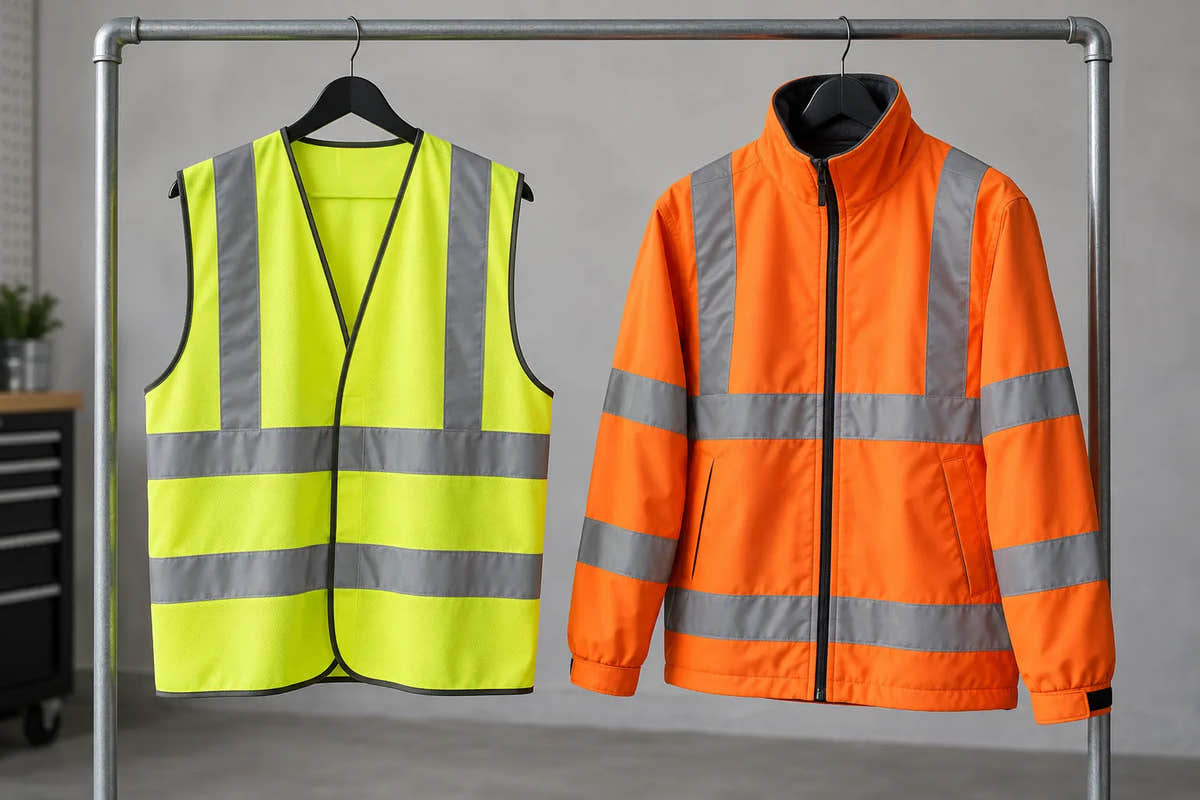
Choose hi-vis workwear from the requirements of the job, then decide which garment is practical to wear for the whole shift. Colour, cut and price matter, but they do not replace the specification for the task or site. Keep that specification beside you when comparing product pages.
A useful shopping note is short: required garment or combination, required documented standard or class, working conditions, usual layers and the measurements needed for the size chart. It prevents an attractive photograph from becoming the main reason for the purchase.
Start with the actual working environment
Consider the lighting, background, weather and other activities around the wearer. HSE's high-visibility guidance explains that suitability depends on those conditions, the job and the person. It also highlights that different PPE items must work together rather than obstruct each other. HSE: selecting high-visibility clothing.
Ask for the current requirement if you are visiting an unfamiliar site. Do not assume that a garment accepted on a previous job is the required choice for this one. HSE's construction guidance says a site's high-visibility policy should be followed. HSE: construction PPE questions.
Read the product evidence before selecting a size
Find the exact product code and its manufacturer's information. Check the declared performance, intended use and any conditions attached to combining garments. A bright colour or reflective detail in a photograph is not enough to establish a particular safety specification.
If a description is unclear, ask a specific question: which document supports this garment's stated class, and does that statement apply to this size or only a particular outfit combination? Keep the answer with the order details. This is more useful than treating a large collection heading as certification for every product beneath it.
Try the outfit as it will be worn
Allow for the layers you actually use. Test the fastening over them and check that you can reach, sit and bend comfortably. Think about what changes during the day: a coat comes off, a waterproof goes on, or a bag is carried over the shoulders. Check the complete outfit against the relevant instructions whenever you change it.
Lay out the proposed layers before ordering duplicates for a team. Record the styles and sizes that need a fitting check, rather than assigning everyone the same size because a vest appears loose. A practical fit is easier to judge on a person than from a flat garment measurement alone.
Plan cleaning before the first shift
Read washing, drying and inspection instructions before choosing how many garments to buy. HSE notes that dirty protective clothing can lose effectiveness and that hi-vis garments need cleaning so their reflective strips remain identifiable. HSE: maintenance and storage.
Make room in the routine for a clean spare while another item is being washed or assessed for damage. Keep manufacturer care information available instead of relying on memory after the label fades. Use the permitted cleaning process; do not assume the usual household treatment is suitable for every garment.
Browse hi-vis workwear with the required specification to hand. For wet-weather footwear, our work-boot guide explains the separate questions around water resistance, grip and fit.