
How to choose a women’s work bodywarmer that layers well
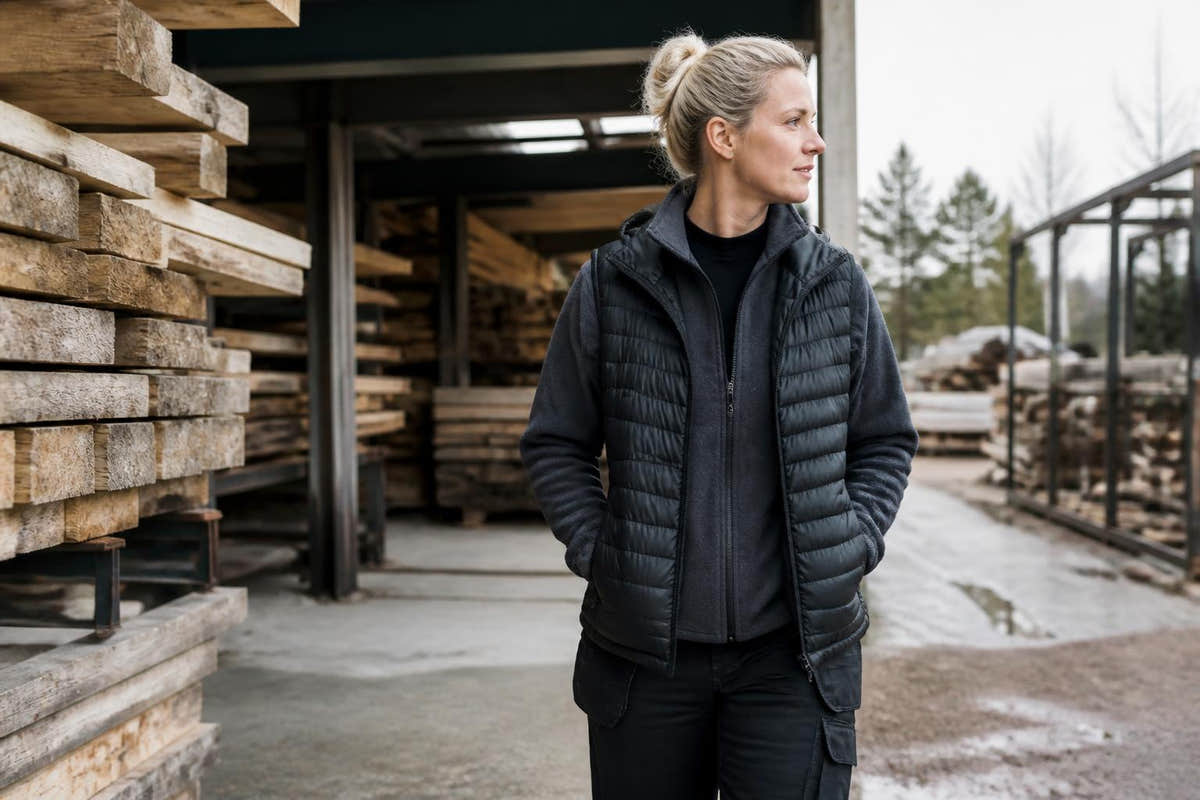
A good work bodywarmer should add warmth without getting in the way. That is the reason many women reach for one before a full jacket, especially for active jobs, driving between sites, loading vans, warehouse work, and outdoor tasks where the weather changes through the day. If it layers well, it keeps your core warm, leaves your arms free, and fits neatly over a polo, base layer, hoodie or lightweight fleece without turning the rest of your kit bulky.
When you are comparing ladies bodywarmers in the UK, the best choice usually comes down to four things. Fit through the shoulders and chest, enough room to layer, the right fabric for the job, and practical features you will actually use at work. The rest is checking the product page carefully before you buy, so you know whether you are looking at everyday workwear or a garment that needs to sit alongside hi-vis or other PPE requirements for the job.
What a work bodywarmer does better than a jacket
A jacket gives full coverage, but that is not always the most practical option for work. A bodywarmer comes into its own when you need insulation around your core and freedom through the shoulders and elbows. That matters if your day includes lifting, reaching, climbing in and out of vehicles, using tools at chest height, or carrying materials.
For many UK working conditions, especially in spring, autumn and milder winter days, a bodywarmer is the easier layer to live in for a full shift. It is quicker to put on and take off than a jacket, less likely to catch when you bend or twist, and more comfortable in stop start temperatures. If you begin the morning outside, move indoors, then head back out again, a sleeveless insulated layer often feels more balanced than a full coat.
It also solves a common layering problem. A waterproof or insulated jacket over a hoodie can feel heavy and restrictive. A bodywarmer over a hoodie or fleece keeps warmth where you need it most without adding too much bulk at the arms. That makes it a strong choice for tradespeople who are already working in multiple layers.
There are jobs where a jacket remains the better option. Prolonged exposure to wind, heavy rain, or static outdoor work in cold weather usually calls for full sleeve coverage. If your site rules require specific protective outerwear, or your role involves sustained exposure to the elements, a bodywarmer may be a mid layer rather than your outer layer. In those cases, it still earns its place because it can sit under a jacket more comfortably than a thick fleece.
If you are building a flexible kit rather than buying one garment to do everything, start with a bodywarmer that works over your daily layers and under your jacket when needed. Our range of work bodywarmers and gilets is where most customers begin when they want that kind of versatility.
How to choose the right fit for women at work
The right fit is what makes a bodywarmer useful rather than annoying. Too close, and it pulls across the chest, rides up when you sit, and feels tight over a hoodie. Too loose, and it swings about, catches on things, and leaves gaps that let the cold in.
Start with the cut. Women’s workwear is not just men’s sizing made smaller. A bodywarmer that layers well should allow for shape through the bust and hips without becoming boxy through the waist. The aim is enough room to move, not excess fabric.
Look closely at these points on the product page:
Length
For work, a slightly longer body length usually performs better than a fashion-led cropped fit. You want coverage at the lower back when bending, kneeling or leaning forward. For driving, a very long hem can bunch when seated, so mid hip length often works best. For site work and outdoor use, a little extra rear coverage is useful.
Arm opening
The armhole is one of the easiest ways to spot whether a bodywarmer will layer well. If it is cut too high and tight, it rubs over a sweatshirt and restricts shoulder movement. If it is too low and open, it can gape and lose warmth. The best work fits leave enough room for a hoodie or fleece underneath without exposing too much at the side.
Layering room
Think about what you will actually wear under it most often. Over a polo or T-shirt, almost any regular fit will work. Over a hoodie, thermal top or sweatshirt, you may need extra room through the chest and arm opening. If you regularly wear thermal base layers under your workwear, that will affect fit less than a thick mid layer, but it is still worth factoring in.
Hem shape
A straight hem often looks neat and simple, but a dropped back hem can be better for bending and lifting. Side adjusters or elasticated sections can also help keep the bodywarmer close without making it tight.
Size chart detail
Use the actual garment measurements and chest guidance where available, rather than buying by habit. Sizes vary between brands. If the page gives body measurement guidance, compare it with what you already wear comfortably. If it gives garment measurements, allow enough extra room for your intended layers.
For work trousers we often talk about waist and inside leg because those measurements change how the garment performs. The same principle applies here. Do not buy on labelled size alone if the product page gives more precise information.
If you are choosing for a team, ask what each person wears underneath on a normal day. One employee may need a neat layer over a polo, while another wants room for a hoodie and tool belt. Buying everyone the same fit without that check usually leads to returns.
Warmth, fabric and weather protection explained
Not every bodywarmer is built for the same job. The main types you will see are padded, fleece-lined, and softshell styles. Each handles warmth, breathability and weather differently.
Padded bodywarmers
A padded bodywarmer is usually the warmest option for its weight. It traps heat around the core and works well for outdoor tasks, yard work, delivery rounds, early starts, and cold warehouses. The trade-off is bulk. Some padded styles layer neatly, while others feel too thick under a jacket.
Check how the padding is distributed. Lightweight quilting can be ideal for active work because it adds warmth without making the garment stiff. Heavier padding suits lower activity levels or colder conditions, but it may be less comfortable if you are moving constantly.
Padded styles are often best when the bodywarmer is your main outer layer for most of the day.
Fleece-lined bodywarmers
Fleece-lined styles give softer warmth and are often comfortable for general everyday wear. They can feel less technical and easier to wear indoors and outdoors across the same shift. They are a good middle ground if you want warmth without the puffier feel of a heavily padded garment.
The main point to check is wind resistance. Fleece adds comfort and insulation, but on a breezy site or exposed yard, a fleece-lined bodywarmer without a wind resistant outer can feel less protective than expected.
softshell bodywarmers
A softshell bodywarmer is usually the most adaptable for active work. It tends to be lighter, more flexible, and better for movement than a padded style. It can also offer a useful level of wind resistance and light weather protection, depending on the exact fabric.
This is a strong choice for trade work, driving, service engineers, surveyors, and anyone moving between indoors and outdoors. It is often the easiest style to layer under a jacket because it stays close to the body and does not bunch at the sleeves.
Do check the wording carefully. Water resistant is not the same as waterproof. For UK conditions, that distinction matters. A softshell bodywarmer may cope well with light showers and drizzle, but it is not a substitute for a proper waterproof when the rain sets in.
Weather protection in real use
For dry cold, insulation matters most. For damp, windy conditions, the outer fabric matters just as much. A warm bodywarmer that lets wind cut straight through it will not feel warm for long.
In the UK, where a working day may include wind, drizzle and temperature changes rather than deep cold alone, a wind resistant outer with practical layering underneath is often more useful than maximum insulation by itself. Pairing a bodywarmer with a polo, hoodie or thermal layer can be more adaptable than relying on one very thick garment.
The features worth paying for on site or on the move
Some details are worth the extra spend because they change how the garment works every day. Others are nice to have but less important than fit and fabric.
Pockets that match the job
Pocket layout matters. Handwarmer pockets are useful for general wear and outdoor waiting time, but zipped pockets are better for keeping keys, cards and a phone secure in a van, on a ladder, or around a busy site. Chest pockets can be handy for quick access, especially if you wear a tool belt or trousers with holster pockets and do not want everything stored at hip level.
If you carry pens, delivery notes, gloves or a small notebook, check the pocket depth and closure type. Open pockets are convenient, but zipped pockets usually earn their place in working kit.
A zip that is easy to use with gloves
A full front zip should run smoothly and feel robust. A larger puller is easier with cold hands or gloves. A chin guard at the top of the zip is a small feature, but it makes a noticeable difference if you wear the collar fully up.
Two way zips can be useful for driving and seated work, though they are not essential for everyone.
Collar design
A high collar helps a lot in wind and cold, especially when a hood is not practical. If you often wear a hoodie underneath, make sure the collar does not fight with the hood or feel too stiff at the neck.
Hem adjustment
An adjustable hem can improve warmth by stopping draughts from coming up underneath. This is particularly useful for outdoor work. For driving and active jobs, a flexible hem with a bit of give can be more comfortable than one you need to tighten manually.
Easy care fabric
Workwear needs to survive regular washing. Check the care instructions before you buy, especially if the garment has printed branding or specialist fabric treatments. A bodywarmer that requires delicate care may not be the most practical choice for daily site or yard use.
Matching the bodywarmer to the job and the rest of your kit
The right bodywarmer for one role can be wrong for another, even if both jobs are outdoors.
Trade work
For electricians, plumbers, fitters, decorators and similar roles, a softshell or lightly padded bodywarmer is often the most practical. You need movement, enough warmth for starts and stops, and a fit that works over a polo or hoodie without getting bulky under a jacket. If your normal kit already includes work hoodies for colder days, choose a bodywarmer with enough room through the arm opening and chest to sit over them cleanly.
Driving and delivery
Drivers usually benefit from a bodywarmer that is not too long and does not bunch at the waist when seated. A two way zip can help, but the main priorities are a neat fit, secure pockets, and comfort around the shoulders. A padded style can work well if it stays flexible. Overly bulky quilting is less pleasant behind the wheel.
Warehouse and indoor logistics
For warehouses, stock handling and loading areas, breathability is often just as important as warmth. A softshell or lighter insulated style can be better than a heavy padded one, especially if temperatures vary between the loading bay and indoor picking areas. If the role involves regular lifting, scanning, and reaching, keep the cut close and the arm openings generous enough for movement.
Outdoor tasks and yard work
For prolonged outdoor use, choose more insulation and a fabric that blocks wind effectively. If the job also requires visibility, the bodywarmer may need to work with your existing hi-vis workwear layers. In the UK, visibility clothing on site is often specified by employer policy or site rules, and where a garment is part of PPE, you need to check the exact class and standard on the product listing rather than assuming any bright outer layer will do.
Working with coveralls or overalls
If your role involves coveralls, think carefully about where the bodywarmer sits. Over coveralls, you need enough room without the fit becoming loose and awkward. Under coveralls, bulk becomes the problem. In that case a lighter, close fitting bodywarmer is usually more workable than a thick padded one. If your standard kit includes coveralls and overalls for dirty or high coverage jobs, match the bodywarmer to that system rather than choosing it in isolation.
What to check before you buy online
Buying online is straightforward when the product page tells you what you need. Before ordering, check the live listing carefully.
Confirm sizing and fit notes
Read the size guide on the actual product page, not a generic assumption based on another brand. Look for chest guidance, fit description, and any note saying the item comes up small, large, or is intended for layering.
Read the fabric and care details
Check the outer fabric, lining, insulation type, and washing instructions. This tells you more about real use than marketing phrases do. If a garment needs lower wash temperatures or specific care, make sure that suits your work routine.
Check stock status
If you are buying for a team, confirm available sizes before promising a start date or uniform rollout. Stock can vary by colour and size. That matters even more if you need a consistent look across staff.
Know whether it is everyday workwear or PPE related
This is an important distinction. A bodywarmer can be ideal workwear without being certified protective clothing. If you need hi-vis performance or compliance with a specific standard, verify that on the live product page. In the UK, requirements can differ from general EU expectations because your employer’s risk assessment, site rules, and the current applicable product marking and conformity route all matter in practice. Do not assume a garment is suitable for PPE use unless the listing clearly says so.
Check returns and practical buying details
Before you place the order, review current delivery, returns and exchange information on the site, especially if you are ordering multiple sizes to compare. We run 100 Percent Workwear as a live UK online shop through Fleeta Limited, and the right advice is always based on what is actually published now, including current stock, sizing and care information.
One final point if you are shopping across a full uniform order. Keep categories separate in your planning. Clothing can often be bought directly online, but safety boots are currently enquiry-only rather than available through online checkout. That does not affect your bodywarmer choice, but it does matter if you are trying to complete a whole starter kit in one pass.
A work bodywarmer layers well when it fits cleanly over your everyday top layer, keeps warmth at the core, and matches the way you actually work. Get the fit right first, then choose the fabric and features that suit your job. That approach usually leads to a bodywarmer you wear constantly, rather than one that stays in the van.