
How to choose hi-vis that suits the job
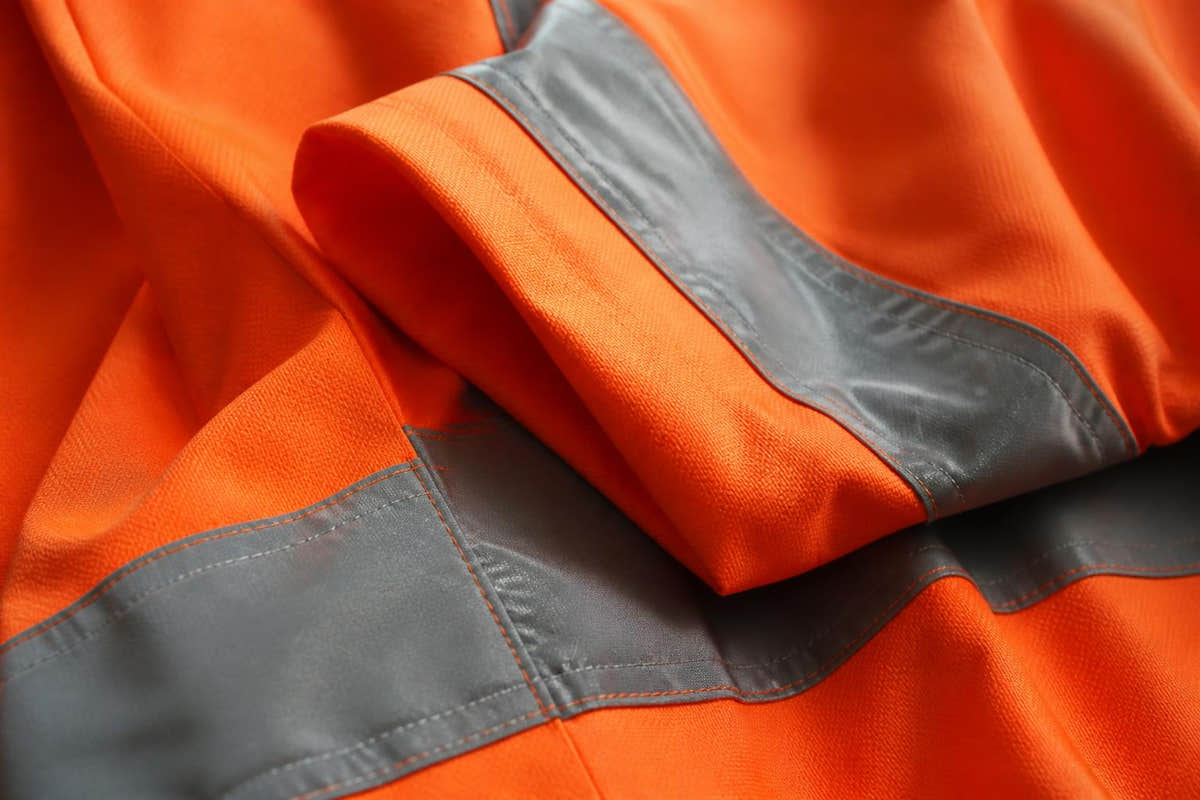
Choosing hi-vis that suits the job starts with one practical question, what risk are we trying to control? If the aim is simply to make staff easier to spot on site, a basic high-visibility garment may be enough. If the clothing is part of your risk assessment and is there to protect the wearer from workplace hazards, it needs to be suitable PPE, correctly specified for the task, and worn in the way the manufacturer states.
That is why we always recommend checking the live product details before you buy. In the UK, the right choice depends on the work itself, the environment, the need for movement, the weather, and whether each garment is certified for the role you have in mind. Our hi-vis workwear range is the right place to compare current options, but the decision should always be tied back to your own site rules and risk assessment.
What hi-vis is for and when it counts as PPE
Hi-vis is there to improve conspicuity. In plain terms, it helps the wearer stand out against the background in daylight, low light, and where vehicle movement or plant operation makes visibility especially important. On many UK sites that means fluorescent fabric for daytime visibility and reflective tape for visibility in headlights or poor light.
That does not mean every bright yellow or orange garment is automatically PPE. There is an important difference between clothing that looks high visibility and clothing that is certified to meet a recognised standard for protective use. If a garment is being used to satisfy a safety requirement, you need to look beyond the colour and check the exact certification, class, and product description.
In the UK, PPE placed on the market must meet the applicable legal requirements in force here. Historically, buyers often looked for the EU standard EN ISO 20471 on high visibility clothing, and that standard is still the one most people recognise. Since the UK left the EU, product marking and conformity routes can differ between Great Britain and the EU. You may see CE marking on products sold into the EU, and UKCA marking for Great Britain, depending on the product and route to market. The key point for a buyer is simple, do not assume from a photo or a category page that a garment is suitable PPE for your task. Check the live specification on the product page and make sure it matches your workplace requirement.
That matters because site rules vary. A warehouse picker walking marked pedestrian routes has different visibility needs from a highways operative, a delivery driver, or a groundworker near moving plant. Some sites specify a minimum class of garment. Others require hi-vis upper body clothing only, while some require matching trousers as well. Rail, highways, utilities, airports, ports, waste operations, and construction projects may all have their own clothing rules, sometimes including colour requirements.
So when does hi-vis count as PPE? It counts when it is intended to protect the wearer against a risk and is selected as part of your control measures. If your risk assessment says workers must wear high visibility clothing because of traffic, machinery, or low-light exposure, then treat the garment as PPE and buy accordingly. If you are buying it mainly for team identification, customer-facing uniform, or general visibility where there is no formal PPE requirement, your selection can be broader, but you should still avoid assuming it offers certified protection unless the specification says so.
The safest buying habit is to verify three things every time. First, the exact live product specification. Second, the site or contract requirement. Third, whether the garment will still meet that requirement when layered, branded, washed, and worn for a full shift.
How to pick the right hi-vis for your type of work
The best hi-vis for UK work is the one that fits the task without getting in the way. Start with how the person moves during the day, what they carry, and what the weather and site conditions are likely to do to the garment.
For straightforward site access, deliveries, visitor control, warehouse work, and jobs where the main need is upper-body visibility, a vest is often the simplest answer. It is quick to throw on over other clothing and easy to keep in a van or stores cupboard. The limitation is obvious, it relies on the layer underneath not becoming bulky, restrictive, or too warm.
For active tradespeople who spend the day moving, lifting, bending, and carrying, hi-vis T-shirts and polos are often a better everyday option in milder conditions. They are lighter, easier to work in, and less likely to flap or snag than a loose vest. A polo can suit teams who want a smarter uniform look while still meeting site expectations, and our work polo shirt options are useful to compare against T-shirts when you are balancing presentation with practicality.
For joiners, electricians, fitters, and installers working indoors or moving between indoor and outdoor jobs, a hi-vis sweatshirt can be a good middle ground. It gives more warmth than a tee and usually feels less bulky than a coat. It also works well where staff need visibility but are not working in sustained heavy rain.
For outdoor trades, traffic management, yard work, waste handling, utilities, groundwork, and similar roles, jackets are often the more practical choice because they combine visibility with weather protection. The key is to check whether the jacket’s specification meets your need on its own, and whether it remains compliant when worn open or with removable layers changed around. If rain and wind are regular problems, compare garments in our work jacket collection and check whether waterproofing, storm flaps, cuffs, and hood design suit the job.
Trousers matter more than many buyers first assume. On sites where workers are partly obscured by materials, barriers, or vehicles, lower-body visibility can make a real difference. Hi-vis trousers also make sense for kneeling, crouching, loading, and working at ground level, where the upper body may be hidden. If the job involves constant abrasion, mud, and contact with rough surfaces, look closely at reinforcement, pocket layout, and whether the reflective sections are positioned in places that will wear quickly.
Coveralls are worth considering where workers need one-piece protection over their own clothes, or where snag reduction and contamination control matter. Mechanics, engineers, agricultural workers, utilities teams, and some industrial maintenance roles often prefer coveralls because they stay put better than separate garments and reduce gaps at the waist when bending or reaching. If that sounds like your use case, compare current styles in our coveralls and overalls section and check the specification carefully for visibility and any other protective properties you need.
Pocket design is another trade-specific point. A driver may want simple access to phone, keys, and paperwork. A site operative may need cargo pockets, ruler pockets, kneepad compatibility, or holster pockets. An engineer climbing in and out of plant may prefer fewer external snag points. There is no single best setup, only what supports the work without creating hassle or hazard.
Choosing for weather, layering and comfort
A lot of poor hi-vis buying comes from treating all seasons the same. In practice, workers are far more likely to keep the right clothing on if it is comfortable enough to wear for a full shift. That means thinking in layers, but doing so carefully.
In warmer conditions, lighter garments such as T-shirts, polos, and lightweight vests usually make sense. They reduce heat build-up and are easier to move in. For physically demanding work, that can matter as much as the visibility itself, because if people overheat they are more likely to unzip, remove, or swap out the garment.
In colder weather, start with the base layer rather than jumping straight to the heaviest outer layer. Thermal tops can add warmth without making the outer garment tight or restrictive. Our thermal base layers are useful for this kind of setup, especially where workers need warmth but still need to bend, reach, and climb comfortably.
Mid-layers need more thought. A fleece, sweatshirt, softshell, or bodywarmer can all help, but you should not assume every layer is itself certified PPE. That is the crucial point. If the outermost visible garment is the one relied on for compliance, make sure it remains fully visible and is worn as intended. If a worker puts a non-certified dark fleece over a certified hi-vis polo, the protection is effectively gone. If they wear a bodywarmer under a certified jacket, that may be fine, provided it does not affect fit, closure, or the visibility of the outer garment.
A bodywarmer is often a smart option where the wearer needs warmth around the core but full arm freedom for driving, loading, handling tools, or repetitive lifting. It can also work well in warehouses and yards where conditions are cold but not wet. Our bodywarmers and gilets collection is useful for comparing lighter and heavier options, but again, check whether the specific garment is just a warm layer or part of your PPE solution.
A softshell can be useful where workers need a neater, lower-bulk outer layer with some weather resistance and good mobility. They are often more comfortable than heavier coats for active work, but the same rule applies, do not assume a softshell is suitable PPE unless the product specification says so.
Rain changes the decision completely. If the site requirement is for hi-vis to be worn at all times outdoors, workers need a waterproof outer layer that maintains visibility in wet conditions. A warm fleece under a non-waterproof top may feel fine at first and then become heavy and uncomfortable once soaked through. Better to choose a proper wet-weather system from the start.
Getting the fit right before you order
Fit is not just about comfort. With hi-vis, it affects safety, movement, and whether the garment works properly over the layers it is meant to cover.
Start with honest measurements, not assumptions based on what the team usually wears in casual clothing. Different brands and cuts can vary. Check chest, waist, and where relevant the inside leg, then compare them to the live size guide on the product page. If workers will be wearing hoodies, thermals, or fleeces underneath, build that into the size choice rather than ordering the normal size and hoping for the best.
For trousers, the inside leg matters because reflective bands need to sit in the right place and the hem should not drag under the boot. Too long, and the trouser wears out early, gets filthy faster, and can become a trip issue. Too short, and the fit is uncomfortable when kneeling or climbing.
Range of movement is the next check. Ask what the wearer actually does all day. Do they climb ladders, kneel to fix pipework, stretch overhead to install cable trays, get in and out of vans, or spend hours seated in plant? A jacket that feels fine standing still may pull across the shoulders when reaching. Trousers that look right on paper may bind at the knee or seat once the wearer crouches.
Pocket layout is where buyers can save themselves a lot of returns. Look at where tools, phone, notebook, gloves, and fasteners are carried. Tradespeople who work from pouches may want cleaner trouser fronts. Fitters and carpenters may want holster pockets. Drivers may prefer fewer bulky side pockets because they sit for long periods. Engineers may want secure zipped pockets so items do not fall out when climbing or crawling.
Also check the practical details that affect daily wear. Waistband style, cuff adjustment, two-way zips, storm flaps, kneepad loading, hood size, and whether a longer back hem is useful for bending work all make a difference. The best buying decision is usually the one that removes a daily irritation the wearer would otherwise put up with for months.
What to check on care, durability and replacement
Hi-vis only works properly if it stays visible. Dirt, grease, cement dust, paint, and general site grime all reduce performance. Reflective tape that is cracked, peeling, or badly abraded does the same. That is why care instructions are not an afterthought. They are part of the buying decision.
Before ordering, check the washing guidance on the live product details. Look for the recommended wash temperature, whether tumble drying is allowed, whether fabric conditioner should be avoided, and whether there is a stated maximum number of wash cycles for the reflective performance or garment standard. Those limits can matter a lot in teams where clothing is laundered frequently.
The same garment can last very differently depending on the job. A warehouse operative in clean indoor conditions may get far longer service from a hi-vis top than a groundworker dealing with mud, concrete, and repeated abrasion. If the job is hard on clothing, it often makes sense to buy with replacement planning in mind rather than expecting one issue to last indefinitely.
Inspection should be routine. We recommend checking hi-vis before issue and during use for fading fluorescent fabric, damaged seams, failed zips, torn areas, and worn or obscured reflective strips. If branding has been added, make sure it has not covered required visible areas or affected the garment’s stated performance. That is another reason to confirm the exact current specification before ordering, especially if you are buying for a team and plan to add logos.
Replacement timing is best based on condition, not guesswork. Replace garments when they are no longer cleanable to an acceptable level, when the reflective areas are damaged or heavily worn, when the fluorescent colour has noticeably faded, or when the fit has become poor enough to affect safe use. Waiting until a garment is falling apart is not a sensible standard for PPE.
It is also worth keeping spares. Hi-vis often needs replacing unexpectedly after damage, heavy soiling, or a failed zip. If the site requires it for access, the absence of a usable spare can stop someone working that day.
The simplest way to buy well is to treat hi-vis as part of the job setup, not as a generic add-on. Match the garment to the task, check whether it is everyday workwear or certified PPE, make sure it layers properly, and confirm the fit and care requirements before you place the order. For anyone comparing hi vis UK options, that is what separates a garment that merely looks the part from one that actually suits the work.
Is every hi-vis item sold for work classed as PPE?
No. Some work clothing is bright and practical without being certified PPE. Check the exact live product page, the stated standard and your site requirements before relying on it for compliance.
What colour hi-vis should I choose in the UK?
That depends on the job and site rules. The key point is not just colour but whether the garment meets the required visibility standard for the task and environment.
Can I wear a hoodie or softshell under hi-vis?
Often yes for warmth, but layering only helps if the outer visible garment still fits properly and meets the required standard. Do not assume every under-layer is itself PPE.
How do I know which size to buy?
Use the current size guide on the live product page and think about what you will wear underneath. For trousers, check waist and inside leg rather than guessing from your usual casual size.
When should hi-vis clothing be replaced?
Replace it when the fabric is badly faded, torn, heavily stained or the reflective areas are damaged or peeling. If visibility is reduced, it is time to stop relying on that item.