
Choosing work overalls: fit, layers and the details that matter
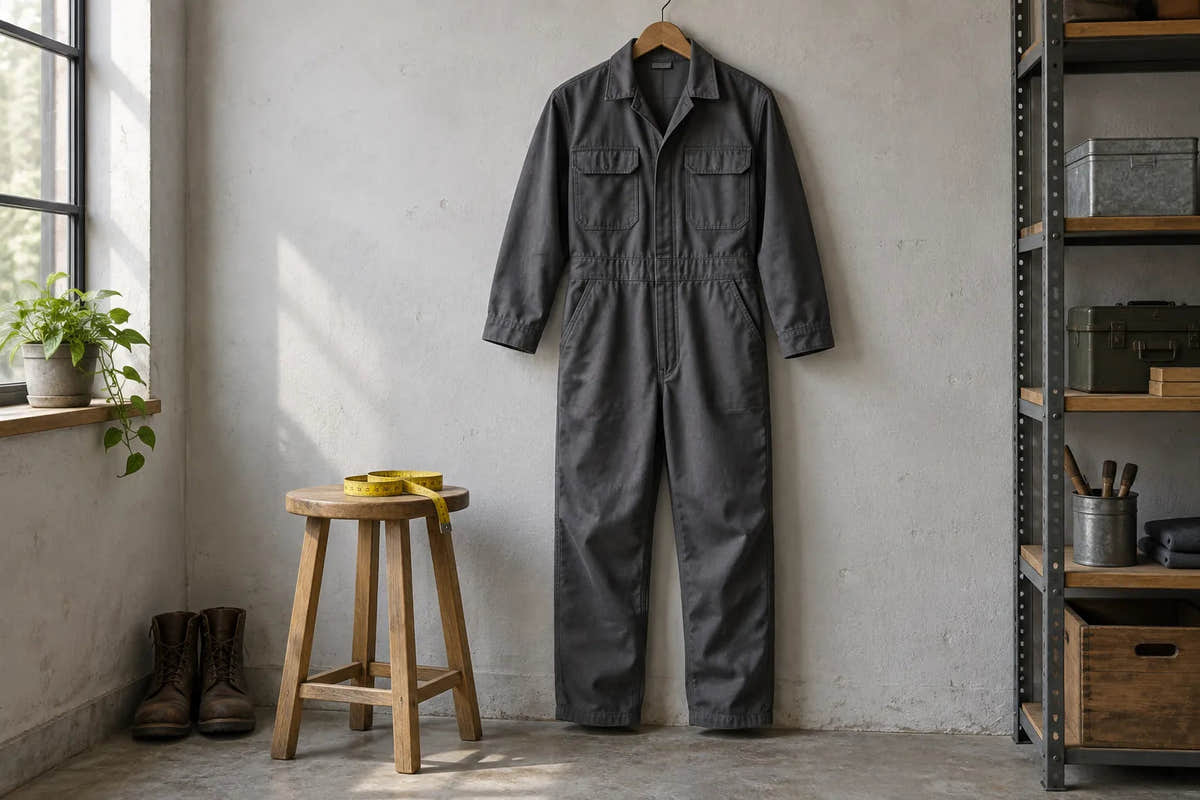
A useful pair of work overalls should suit the way you move, the layers you wear and the work you actually do. Start with those decisions before comparing pocket counts or choosing a familiar brand. A garment that looks right in a photograph can still be awkward to sit, reach or bend in.
This guide helps with everyday buying choices. For a job that requires protective clothing, use the workplace specification and the exact garment's documentation as your starting point.
Choose the format around your working day
One-piece coveralls join the upper and lower garment, while bib-and-brace styles leave the choice of top more flexible. Think about the moments between tasks as well as the tasks themselves: driving to a job, putting on an extra layer, using a break room and changing before travelling home.
Write down what currently gets in your way. It might be a waistband that catches when you bend, a zip that is difficult to use with cold hands, or pockets you cannot reach beneath an outer jacket. Those observations give you more useful comparison points than a general promise of toughness.
Check fit with the layers you will wear
Use the size chart for the exact style. Record the measurements the chart asks for and establish whether they describe your body or the finished garment. Do not assume that a size from another brand, or even a different cut from the same brand, will fit identically.
When trying a garment on, wear your intended base layers. Fasten it properly, sit down, reach forward and bend your knees. Check the shoulder, crotch and lower-back areas for pulling. Look at where cuffs and hems finish; do not solve an unsuitable fit by leaving long fabric loose.
HSE advises selecting PPE for the wearer's fit, size and physical characteristics, and warns that incorrectly fitting coveralls can create an entanglement risk. It also advises against modifying PPE simply to make it fit. Read HSE's selection guidance.
Separate useful features from protective claims
Compare fastening type, access openings, pocket placement and any adjustment points. If you carry tools, consider how the pockets behave with those tools inside rather than only when empty. Check whether knee-pad pockets require a particular insert or compatible system.
Ordinary work clothing is not automatically suitable for heat, chemicals or other specialist hazards. HSE describes different whole-body protection options for different risks; a product needs the relevant documented properties for its intended task. HSE: choosing the right type of PPE.
Make washing and replacement part of the choice
Read the care label before buying. Decide how the garment will be cleaned, where it can dry and whether you need a second set while the first is unavailable. Keep the product reference and instructions with your purchase information so that a replacement is easier to compare later.
For protective equipment, cleaning, storage and maintenance are part of keeping it useful. Follow the manufacturer's instructions and report damage rather than assuming a repair will preserve the original protection. HSE: PPE maintenance.
Compare our coveralls and overalls, and use the knee-pad guide if your work involves kneeling. Ask about the exact product if its fit, compatibility or specification is unclear.